Gone are the days when you can only get red light treatment in the clinic. Nowadays, at-home red light therapy devices make it available to everyone and everywhere, and so are the benefits. While there are quite a few studies, blogs, and personal experiences sharing the multiple benefits of red light therapy, are they true or not?
If you are interested in finding out the mystery of red light therapy, follow us to discover how red light therapy works, its benefits, and the best red light therapy panels for different use cases.
Table of Contents
What Is Red Light Therapy & How Does It Work
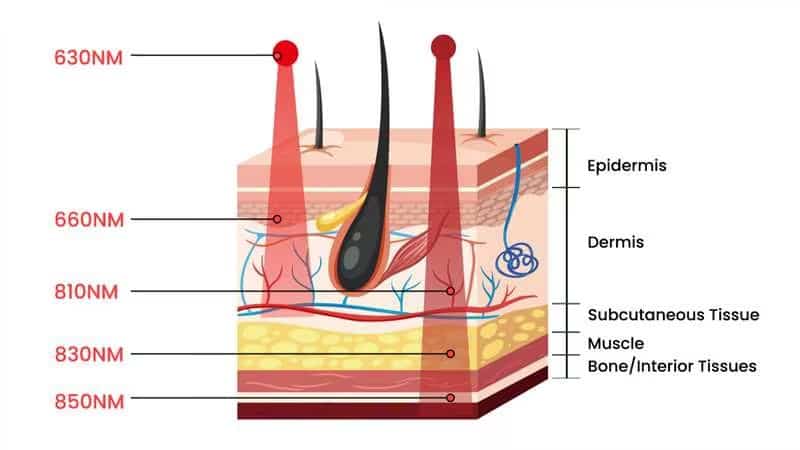
Red light therapy (RLT), also called photobiomodulation or low-level light therapy, uses specific red (630-700nm) and near-infrared (800-1000nm) wavelengths delivered by LED panels, masks, or handheld devices to stimulate cellular repair. Unlike UV light that damages skin, RLT is non-thermal and penetrates 5-50mm to reach mitochondria, your cells’ energy factories.
Key characteristics of red light therapy include:
Non-thermal: No burning or UV damage
Non-invasive: Painless 10-20 minute sessions
Cumulative effect: Benefits build over 4-12 weeks of consistent use
Unlike lasers (coherent light), LEDs in red light therapy provide diffuse, broad coverage ideal for at-home treatment of large areas like the face, joints, or full body.
What Wavelengths Are Used in Red Light Therapy
RLT effectiveness depends on wavelength precision. Here’s what science shows:
Deep tissue repair, inflammation reduction, pain relief
Muscles, joints, recovery
Optimal devices combine both: 660nm red wavelength for surface + 850nm infra-red for depth. And most effective red light therapy panels use a 1:1 red-to-NIR ratio, matching natural sunlight’s therapeutic spectrum.
How Does Red Light Boost Cellular Energy (ATP Production)
Red light therapy works by targeting Complex IV (cytochrome c oxidase) in the mitochondrial electron transport chain, your cells’ energy powerhouse. Here’s a simplified 6‑step mechanism that helps enhance cellular energy:
Photons are absorbed → Cytochrome C Oxidase (CCO) becomes more active.
Electron flow accelerates → ATP production increases.
Nitric oxide is released → Blood circulation improves, delivering more oxygen and nutrients.
Reactive oxygen species (ROS) act as signaling molecules → A cellular repair cascade is triggered.
Pro‑inflammatory cytokines are reduced → Inflammation gradually decreases.
Key cellular effects:
Energy boost: Red light therapy enhances ATP production, with varying increases depending on light dosage and individual factors.
Collagen production: Stimulates fibroblasts, promoting collagen synthesis and improving skin elasticity, with outcomes varying across different studies.
Microcirculation: Improves blood flow through nitric oxide release, enhancing oxygen and nutrient delivery to tissues.
Anti-inflammatory: Reduces pro-inflammatory cytokines, such as TNF-α, helping to alleviate inflammation.
Red Light Therapy and Its Benefits by Use Case
One of the many reasons why red light therapy is widely accepted is that it delivers targeted benefits across multiple health goals. Below, we break down the primary applications, from skin health to muscle recovery, showing how cellular mechanisms create practical results.
Red Light Therapy for Skin Health
Red light therapy supports skin rejuvenation by stimulating collagen production and improving cellular turnover in the epidermis and dermis. Therefore, it’s implemented in solving various skin issues, including the following ones:
Wrinkle reduction: Enhances fibroblast activity to rebuild collagen and elastin networks
Improved texture: Promotes even cell turnover for smoother surface appearance
Acne reduction: Reduces inflammation in sebaceous glands while supporting healing
Wound healing: Accelerates tissue repair through enhanced ATP and microcirculation
Typical protocol: 10-15 minutes, 3-5x per week at 6-12 inches distance using 630-660nm wavelengths primarily.
Red Light Therapy For Pain Relief
Red light therapy helps manage chronic and acute pain by reducing inflammation and improving circulation to affected tissues. Whether you are suffering from arthritis, tendonitis, lower back discomfort, or post-injury swelling, users often notice relief after 1-2 weeks of consistent use.
Primary pain relief mechanisms:
Inflammation reduction: Lowers pro-inflammatory cytokines around joints and muscles
Nerve soothing: Modulates pain signaling pathways through improved cellular energy
Tissue oxygenation: Enhances blood flow to deliver oxygen and remove waste products
Joint comfort: Supports cartilage health and synovial fluid circulation
Red Light Recovery For Muscle Recovery
In addition to the beauty industry, red light therapy also has a spot in the sports and fitness communities as an effective tool for muscle recovery. Active individuals, athletes, and even recreational exercisers use it to accelerate recovery, reduce soreness, and improve overall muscle function after physical exertion.
Use Case
Target Areas & Typical Issues
Golfers
Lower back tightness after swings
Elbow/wrist strain from repetitive grips
Shoulder stiffness after long rounds
Runners
Calf/hamstring soreness after long runs
IT band tightness
Knee pain from high mileage training
Weightlifters
DOMS after heavy leg day
Shoulder fatigue from overhead presses
Forearm pump from heavy pulling
CrossFit/HIIT
Full-body fatigue after high-intensity sessions
Grip fatigue in forearms/hands
Ankle/foot stress from plyometrics
Optimal timing: 10-20 minutes immediately post-workout or before bed, using 810-850nm wavelengths for deeper muscle penetration.
Red Light Therapy For Hair Growth
Red light therapy supports scalp health and follicle stimulation through improved circulation and cellular energy. That’s why you can see more red light therapy helmets/caps now. Compared to a trip to Turkey, you may save a fortune with these red light therapy for hair growth sessions. Here’s what to expect:
Follicle stimulation: Increases ATP in dormant hair follicles to shift growth phases
Scalp circulation: Enhances nutrient delivery to hair roots via microcirculation
DHT modulation: May reduce dihydrotestosterone effects around follicles
Inflammation reduction: Creates a healthier scalp environment for hair growth
Protocol for hair growth: 10-15 minutes, 3-4x weekly using 630-660nm wavelengths directly on clean, dry scalp. Visible improvements typically appear after 12-16 weeks.
Reduced inflammation, joint comfort, nerve soothing, and better circulation
810-850nm
4-6x/week, 15-20 min
Muscle Recovery
Less soreness, faster repair, improved flexibility, and endurance support
810-850nm
Post-workout + 3x/week
Hair Growth
Follicle stimulation, scalp circulation, and a healthier growth environment
630-660nm
3-4x/week, 10-15 min
Is Red Light Therapy Safe to Use at Home
Yes, red light therapy is generally considered safe for home use when devices are used as directed. Today, many at-home devices are designed with safety features and tested to meet regulatory standards. Some high-quality devices, such as EmberTouch red light devices, are FDA-cleared, meaning they have been reviewed by the U.S. Food and Drug Administration for safety and intended use. Choosing an FDA-cleared red light therapy device and following the manufacturer’s instructions definitely helps ensure a safe and effective experience.
Recommended Red Light Session Length & Frequency
How often to do red light therapy? Most at-home red light therapy sessions are short and easy to incorporate into a routine, but schedules can vary based on your goal. Here’s a quick check of common red light therapy frequency for different body areas:
Condition
Frequency
Skin Rejuvenation
3-5 times per week
Pain Relief
Daily (initially), then 3-5 times per week
Wound Healing
Daily (initially), then 3-5 times per week
Hair Growth
Every other day
Acne
3-5 times per week
Back Pain
3-5 times per week
Cellulitis
3-5 times per week
Depression
3-5 times per week
Dermatitis
3-5 times per week
Joint Pain
3-5 times per week
Muscle Performance
3-5 times per week
Oral Candida
3-5 times per week
Rosacea
3-5 times per week
Scars
3-5 times per week
Thyroid
3-5 times per week
Safe Distance from Red Light Therapy Device
Besides frequency, proper distance from the red light therapy device also ensures both comfort and the optimal result you wish for. For different intensity levels and targets, we have tailored distance ranges:
Device Power
Target Area
Recommended Distance
60-100W panels
Face/Neck
6-12 inches (15-30cm)
200-300W panels
Body/Upper Back
12-18 inches (30-45cm)
500W+ panels
Full Body/Large Areas
18-24 inches (45-60cm)
Can Red Light Therapy Hurt Your Eyes
Not likely. Red light therapy is eye-safe when used correctly in most cases. Unlike UV or blue light, red/NIR wavelengths (630-850nm) don’t damage retinal tissue. Plus, FDA-cleared devices operate well below safety thresholds for home use.
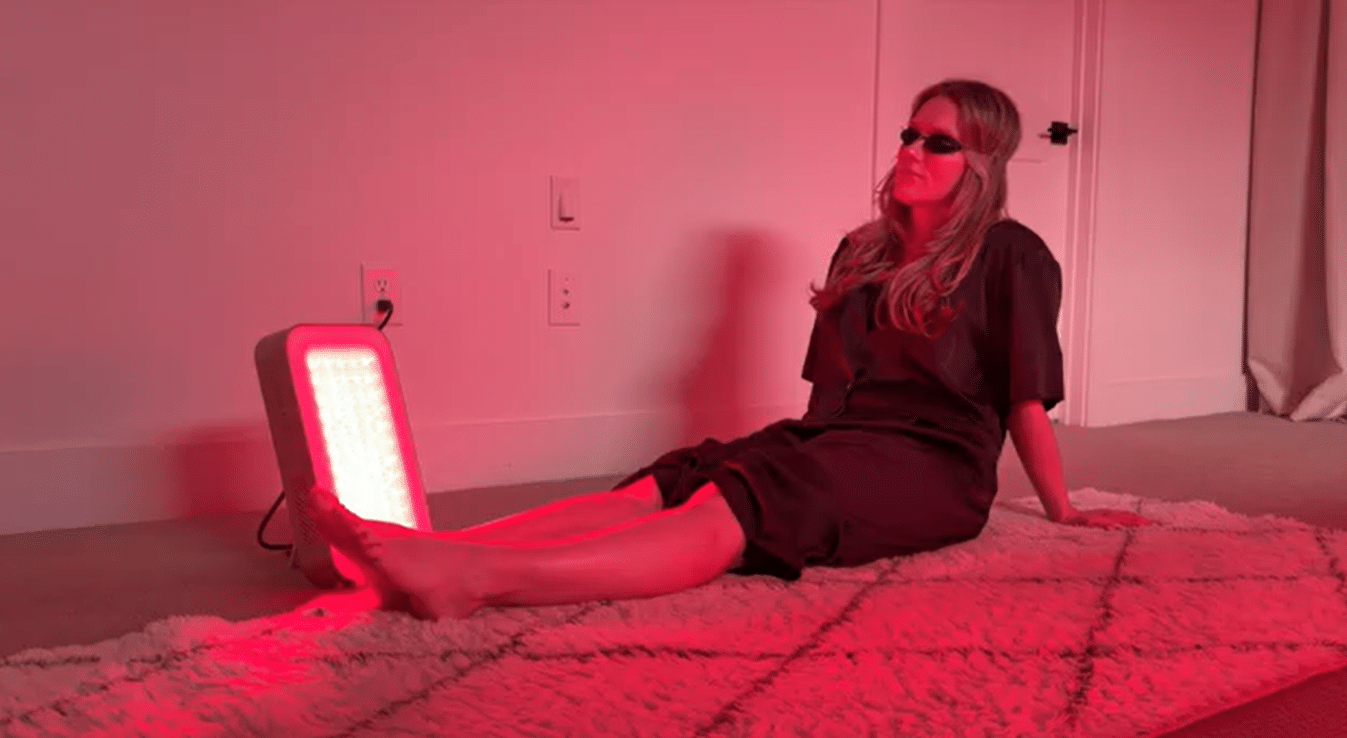
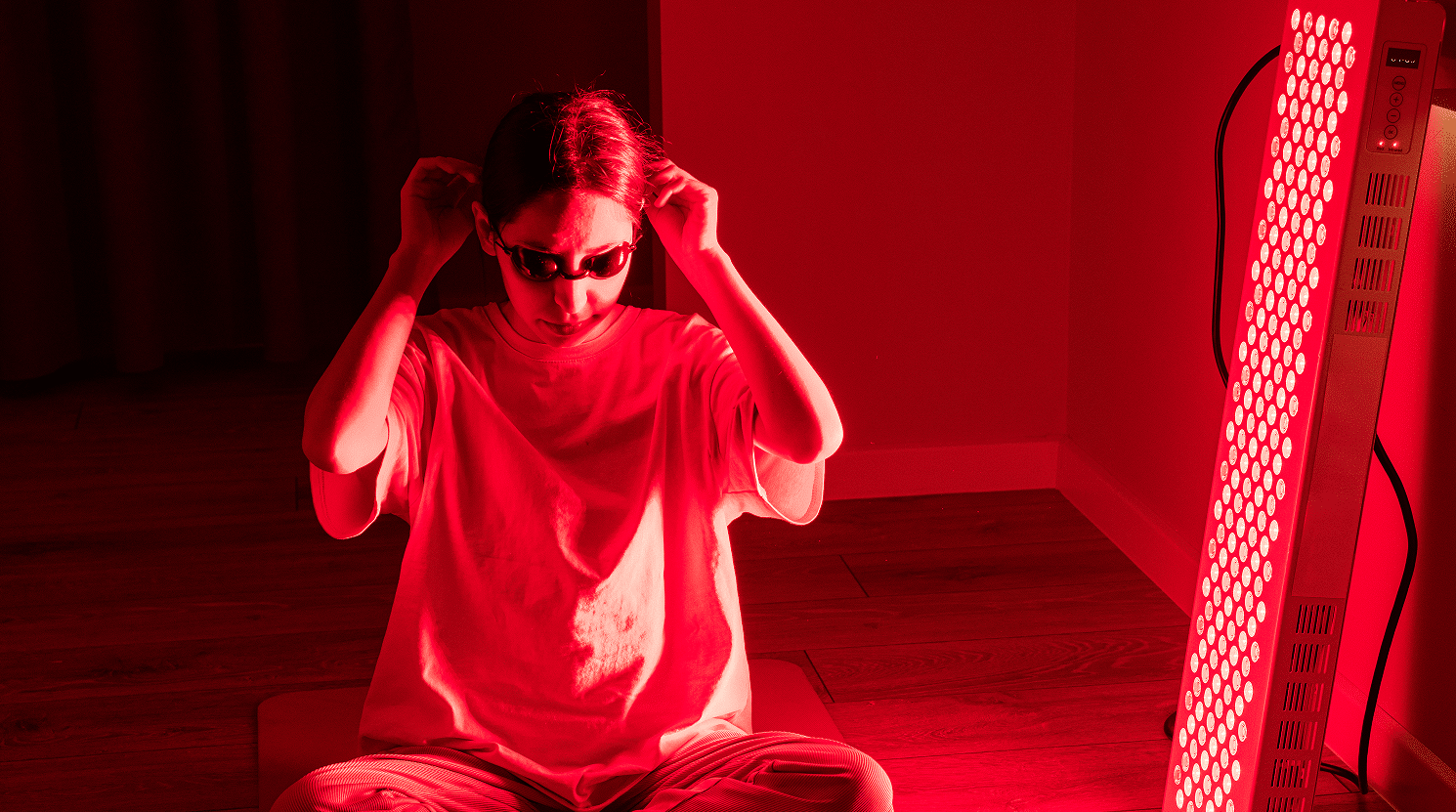
However, you should avoid direct exposure to the LED panel and wear goggles if it’s inevitable. No worries – EmberTouch has included protective goggles in the package. Or, you can choose to close your eyes during an RLT session.
How to Integrate RLT with your Skincare/Recovery Routine
To make it clear, red light therapy can fit seamlessly into your existing routines as an enhancer step. It amplifies skincare products and speeds workout recovery without replacing your normal habits. Here’s how to pair RLT with your skincare/recovery routine:
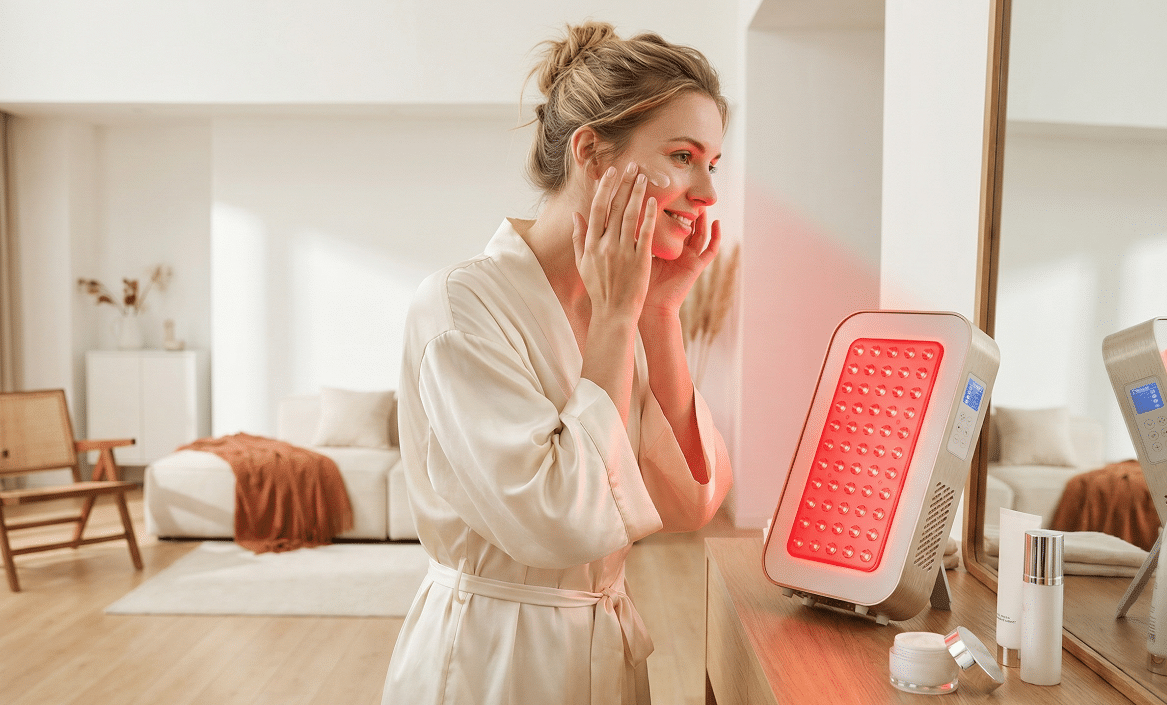
How to add red light therapy to my skincare routine
Step 1: Cleanse your face and remove makeup, sunscreen, and oil
Step 3: Apply serum & moisturizer while skin is activated. Post-RLT serums absorb 2-3x better due to improved microcirculation. But remember to avoid high-concentration retinoids, acids (AHA/BHA), and benzoyl peroxide before RLT.
How to add red light therapy to workout recovery
For a post-workout protocol: Training → Stretch (5-10 min) → RLT (10-20 min, targeting sore muscles at 12-20 inches) → Shower → Protein.
Are There Any Risks or Dangers Associated with Red Light Therapy
Red light therapy maintains a safety profile when used as directed and is not associated with particular dangers. It may come with minimal side effects under certain conditions, but compared to other invasive treatments or UV light solutions, red light therapy has been narrowed down to almost zero danger.
What Are the Side Effects of Red Light Therapy
When used as directed by healthy individuals without significant pre-existing skin conditions and following manufacturer guidelines, most users experience no side effects. Mild, temporary effects can occasionally occur:
Temporary redness: Like a mild flush, typically fades within 1-2 hours
Warm sensation: Normal during treatment, resolves immediately after
Dryness: Rare and can be easily addressed with a moisturizer
Eye discomfort: Due to brightness (not damage), prevented with goggles or closed eyes
Red Light vs UV: No Tanning or Cancer Risk
Critical differences between red light therapy and UV exposure:
Aspect
UV Light (Tanning Beds)
Red Light Therapy
Wavelength
100-400nm (harmful UV-A/B/C)
630-850nm (therapeutic)
DNA Effect
❌ Damages DNA → Mutations, cancer risk
✅ Repairs DNA → Healing
Skin Outcome
Premature aging, burns, tanning
Collagen production, rejuvenation
Heat Generation
High thermal damage
Non-thermal, comfortable
Cancer Risk
❌ Documented increase
✅ No known risk
Eye Safety
❌ Cataracts, retinal damage
✅ FDA limits (goggles for comfort)
Medical Use
❌ Banned in many clinics
✅ Hospital standard for decades
How to Choose the Right Red Light Therapy Panels
Ready to elevate your wellness routine? Red light therapy comes in multiple shapes, but the panels are the perfect entry point for most beginners. They are versatile and cost-effective, and serve dual purposes: use close-up for facial treatments (like premium masks) or at a distance for full-body coverage.
This guide breaks down exactly how to choose the right red light therapy panel for you.
What Matters When Selecting a Red Light Panel
A good red light therapy panel should combine both red and near‑infrared wavelengths, deliver a measured intensity of at least 100 mW/cm² at a typical treatment distance, and offer enough LED density to evenly cover your target area. To be more specific, you should check the following specs:
Specification
What to Look For
Why It Matters
Wavelengths
660nm (red) + 830-850nm (near-infrared)
Red penetrates skin for collagen, while NIR reaches muscles/joints
Power Density
>100 mW/cm² at 6 inches
Higher irradiance means shorter, more effective sessions
Treatment Area
60+ LEDs per square foot
Even coverage prevents hot spots
Session Time & Timers
Built-in 10-20 min auto-shutoff
Prevents overuse
How to Choose Red Light Panel Size
Red light therapy panels come in different sizes. Generally, the following three sizes can cover all your needs:
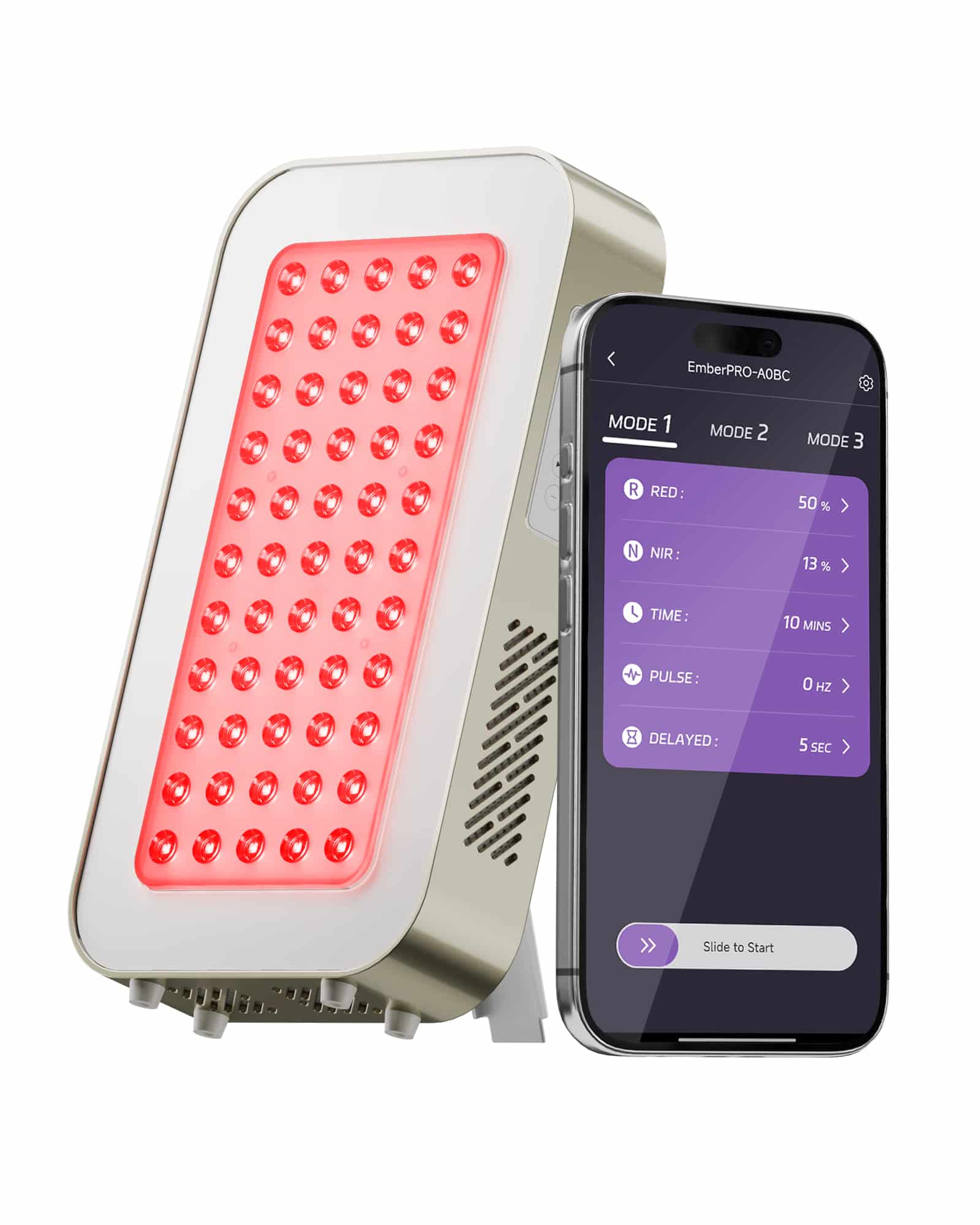
Face only (around 12×8″–12×10″): Portable, desk-friendly for skincare routines
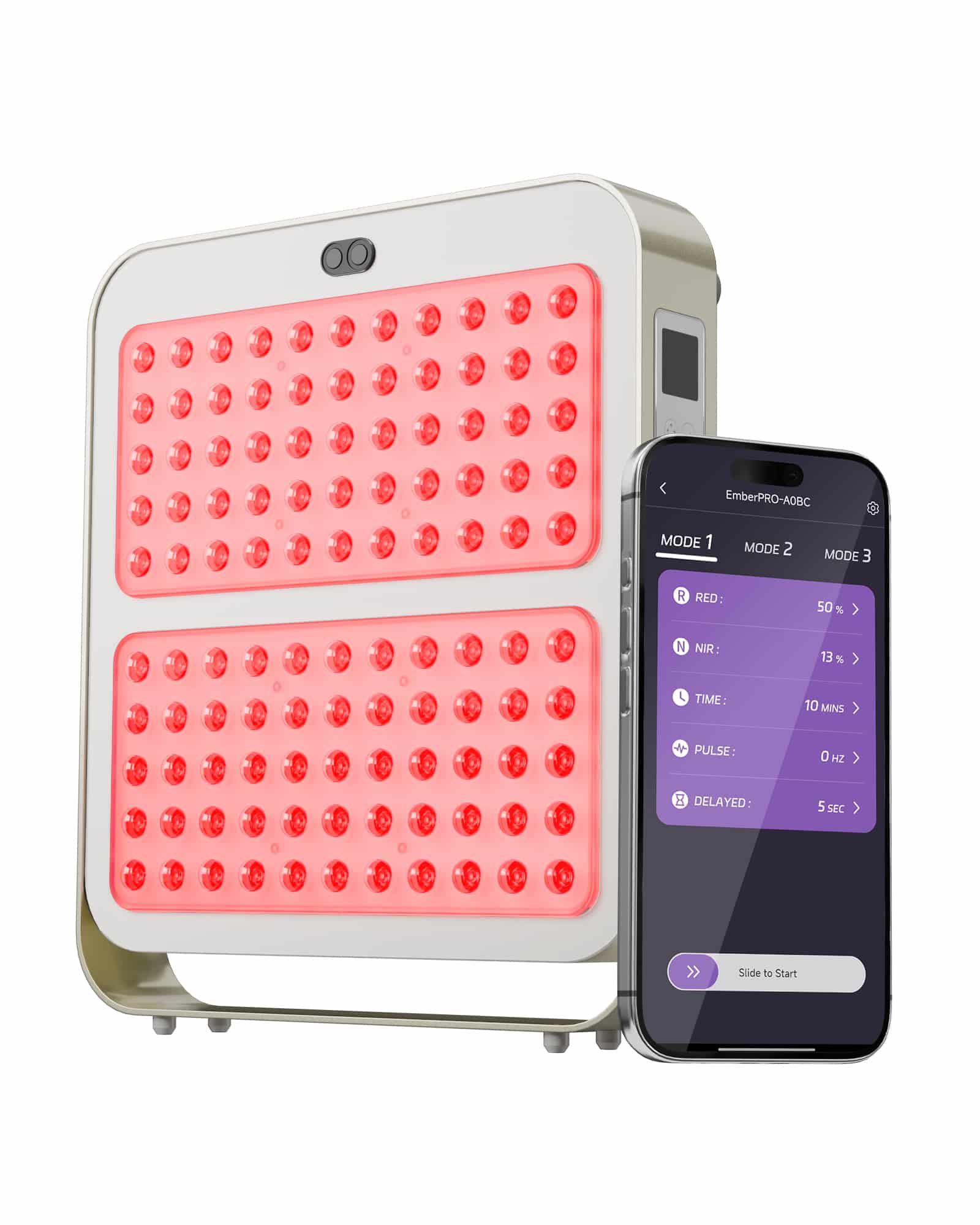
Upper body (around 16×14″): Covers chest, back, and shoulders in one position
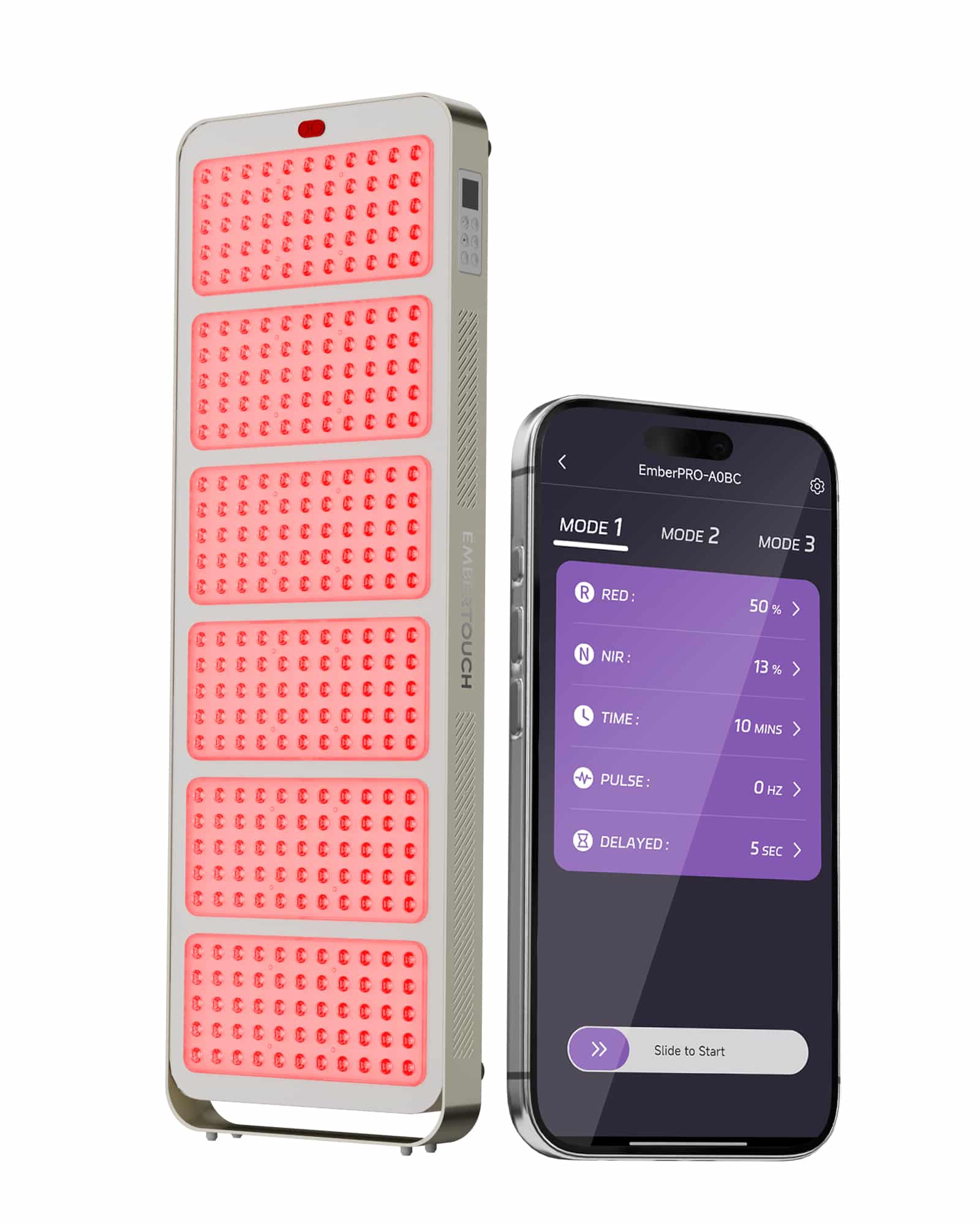
Full body (around 39×14″): Big enough for whole body treatment with minimal repositioning
Best Red Light Therapy Panels for Home Use (2026)
Ready to make your first purchase, but getting lost in all the products? Based on the guide above, we have selected the best red light therapy panels for different use cases, covering all targeted areas.
Our Top Picks:
Best overall red light therapy panel: EmberPRO 200
1. Can I use red light therapy while pregnant or breastfeeding?
Red light therapy is generally considered low-risk for breastfeeding when avoiding direct chest/breast exposure, as wavelengths don’t penetrate deeply enough to affect milk production. For pregnancy, consult your OB-GYN first. Data is limited so far, so avoid abdominal use and get medical clearance, especially with high-risk pregnancies or medications.
2. Are there any skin types that shouldn’t use red light therapy?
All skin types can typically use RLT safely, including darker skin tones. Avoid if you have active infections, open wounds, recent burns, or sunburn. You should wait until healed to prevent delayed recovery.
3. How often is too much red light therapy (daily vs 3x/week)?
Daily use (up to 20 min) is safe for most during initial phases, but overuse signs include persistent redness >2 hours or dryness. Drop to 3x/week for maintenance. Follow device guidelines to avoid diminishing returns.
4. Should I use red light therapy before or after my skincare routine?
Before: Cleanse first, then RLT (10-15 min), followed by serums/moisturizers—absorption improves 2-3x due to enhanced circulation. Avoid retinoids, AHAs, BHAs, or benzoyl peroxide pre-session to prevent irritation.
In terms of red light therapy risks
1. Is red light therapy safe for people with photosensitive conditions?
No for absolute cases like lupus, porphyria, or solar urticaria. Light sensitivity can cause rashes or reactions. Start low-intensity only after doctor approval.
2. Can red light therapy worsen rosacea or eczema?
Red light therapy generally improves both by reducing inflammation and supporting repair. Many see reduced redness/flushing in rosacea and less itchiness in eczema.
3. Are there any long-term risks of daily red light therapy?
No known long-term risks with proper use (FDA-cleared devices, <20 min/day). Studies show it is safe for years, and it may even inhibit cancer cell growth via ROS modulation.
1. Are cheaper Amazon red light therapy devices effective?
Often not. Many lack verified irradiance (>100 mW/cm²), have flickering LEDs, or inflated specs. Stick to FDA-cleared brands, such as EmberTouch, with third-party lab tests. Cheap ones often waste your time and money.
2. What power density (mW/cm²) should red light therapy devices have?
Minimum 100 mW/cm² at 6 inches for effective sessions (<20 min). 20-60 mW/cm² for skin; >90 mW/cm² for deep tissue. Check lab reports, not marketing watts.
3. Battery-powered vs corded red light therapy devices: which is better?
Corded wins: Consistent full power, higher irradiance for better results. Battery devices drop output (30-50% less), limit session time.
In terms of the red light therapy use cases
1. Can I use red light therapy in the morning or only at night?
Anytime works. Morning boosts energy/circulation, while evening aids recovery/sleep. Consistency outweighs timing – pick what fits your routine best.
2. How does red light therapy work with other treatments (microneedling, etc.)?
Synergistic: Use RLT post-microneedling (24-48 hrs after) to speed healing/absorption. Complements lasers/IPL, but space 48 hrs apart. Enhances topicals without interference.
3. Can athletes use red light therapy for workout recovery?
Yes, highly effective: Pre-workout (circulation), post (DOMS reduction 20-40%). Targets calves, IT bands, and shoulders. 810-850nm ideal; 10-20 min timing optimal.