


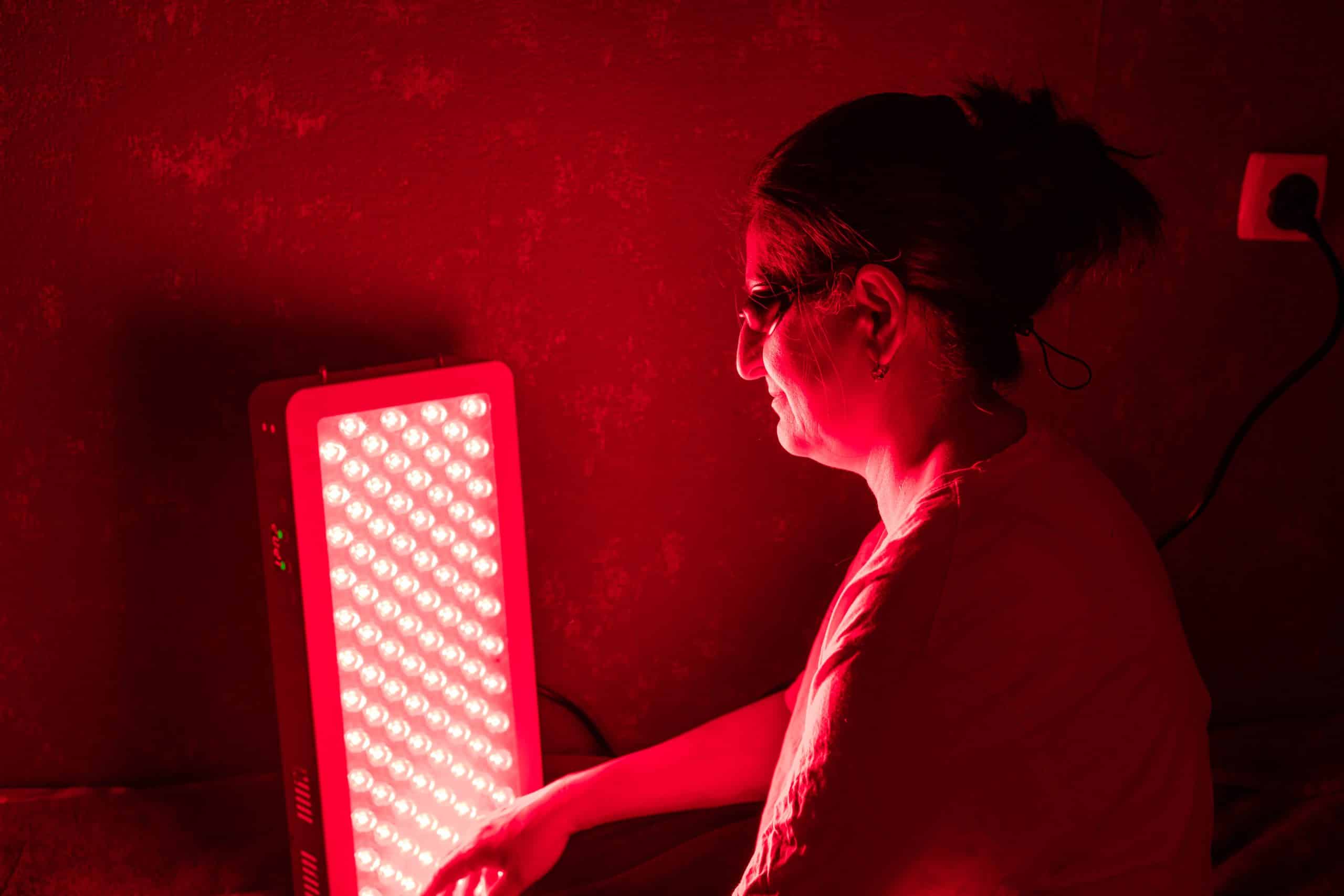

Red light therapy, also called photobiomodulation (PBM) or low-level light/laser therapy, claims to support pain relief by helping modulate inflammation and tissue recovery[1]. Questions follow in actual usage, and the most frequently asked one is: how often to use red light therapy for pain?
The best answer depends on your goal (acute vs. chronic pain), the body area, and the dose your device delivers. For most types of muscle and joint pain, a common starting point is:
- 3–5 sessions per week
- 10–20 minutes per area per session
- Consistency for 2–6 weeks, then adjust based on response
That’s not the whole story, though. Follow us to dive into more details about red light therapy for pain.
Best Red Light Therapy Schedule by Pain Type
While the above guideline works for general pain relief, you can master the red light therapy for pain by targeting more specific areas. Say, a fresh flare-up might require a different red light session than long-term arthritis. With the help of real user feedback, we’ve gathered the following tips:
Acute Pain
Acute pain typically includes recent muscle strains, joint flare-ups, sports injuries, post-workout soreness, etc. In these situations, the primary goal of red light therapy is short-term symptom relief and faster recovery, not long-term conditioning. The idea is to calm irritation, support tissue repair, and reduce discomfort early, then gradually back off as the body stabilizes.
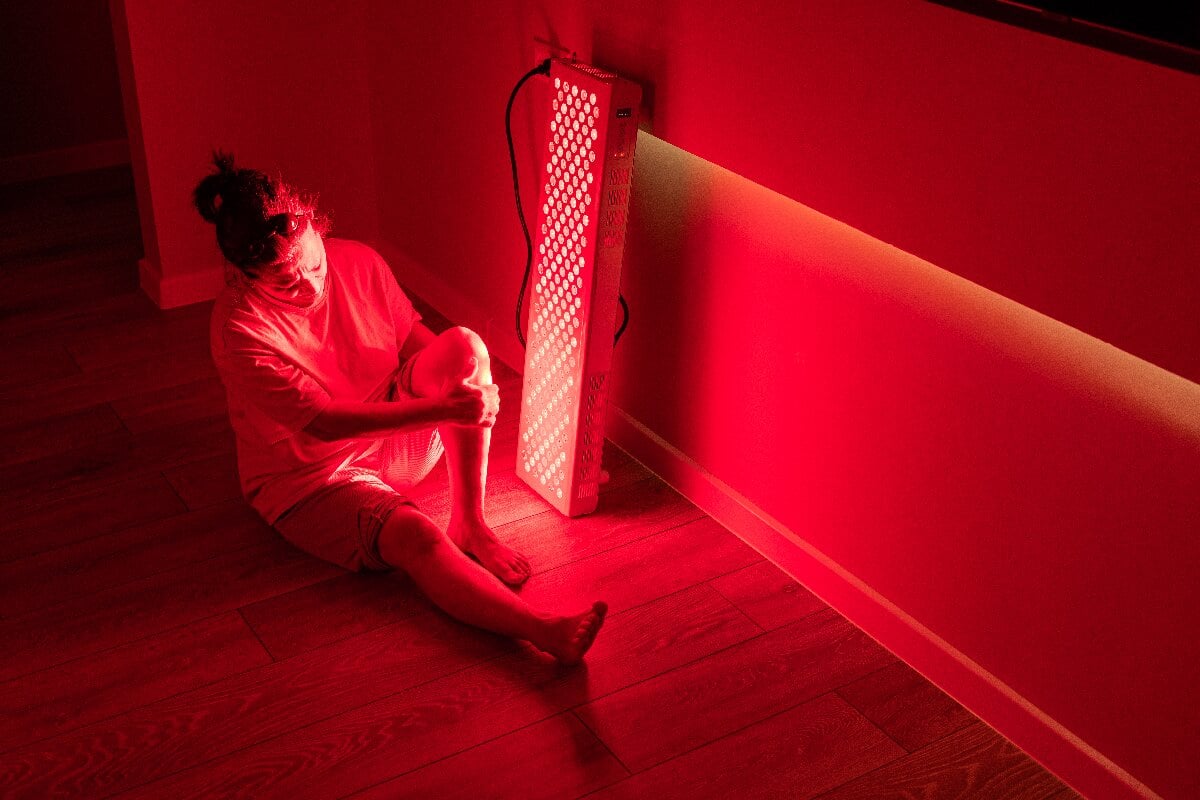
Suggested Frequency (Start Conservative)
- Once daily for 3–7 days, 10–20 minutes per target area
- If you tolerate it well and want a faster trial, up to 2 sessions/day for a short period
- As symptoms improve: taper to 3–5 sessions/week
If you try multiple sessions per day, keep them shorter, watch your skin, and stop increasing time/frequency once you’re improving.
Chronic Pain
Chronic pain, on the contrary, is less about a single injury and more about ongoing inflammation, tissue stress, or nervous system sensitization. When using red light therapy for chronic pain, the goal is not quick, dramatic relief, but gradual and sustainable improvement, which supports tissue health, eases stiffness, and reduces day-to-day discomfort without overwhelming the area.
Suggested Frequency
- 3–5 sessions per week for most chronic pain routines, with 10-20 minutes per session
- Short daily sessions can also be appropriate if daily use feels comfortable
Red Light Therapy for Pain: Practical Use Tips
Don’t assume longer sessions mean better results. Red light therapy works best within an effective dose range, and using more time than necessary doesn’t automatically lead to faster or stronger pain relief.
If you’re using a higher-power red light therapy panel or a wrap positioned close to the skin, avoid jumping straight to 30 minutes or more on a single area. Starting too aggressively can increase the risk of skin irritation or leave the area feeling overly sensitive.
When increasing your exposure, do so gradually. Add time in small increments (about 2–5 minutes) and give your body a few days to respond before making further changes.

Best practice: treat one target area at a time, wait 24–48 hours, and then adjust red light therapy frequency based on how you feel. Subtle improvements and good tolerance are better indicators than pushing for longer sessions too quickly.
Resources
Kunimatsu, R.; Nakatani, A.; Sakata, S.; Tanimoto, K. Effects of Photobiomodulation on Osteoarthritis from In Vivo and In Vitro Studies: A Narrative Review. Int. J. Mol. Sci. 2025, 26, 8997. https://doi.org/10.3390/ijms26188997