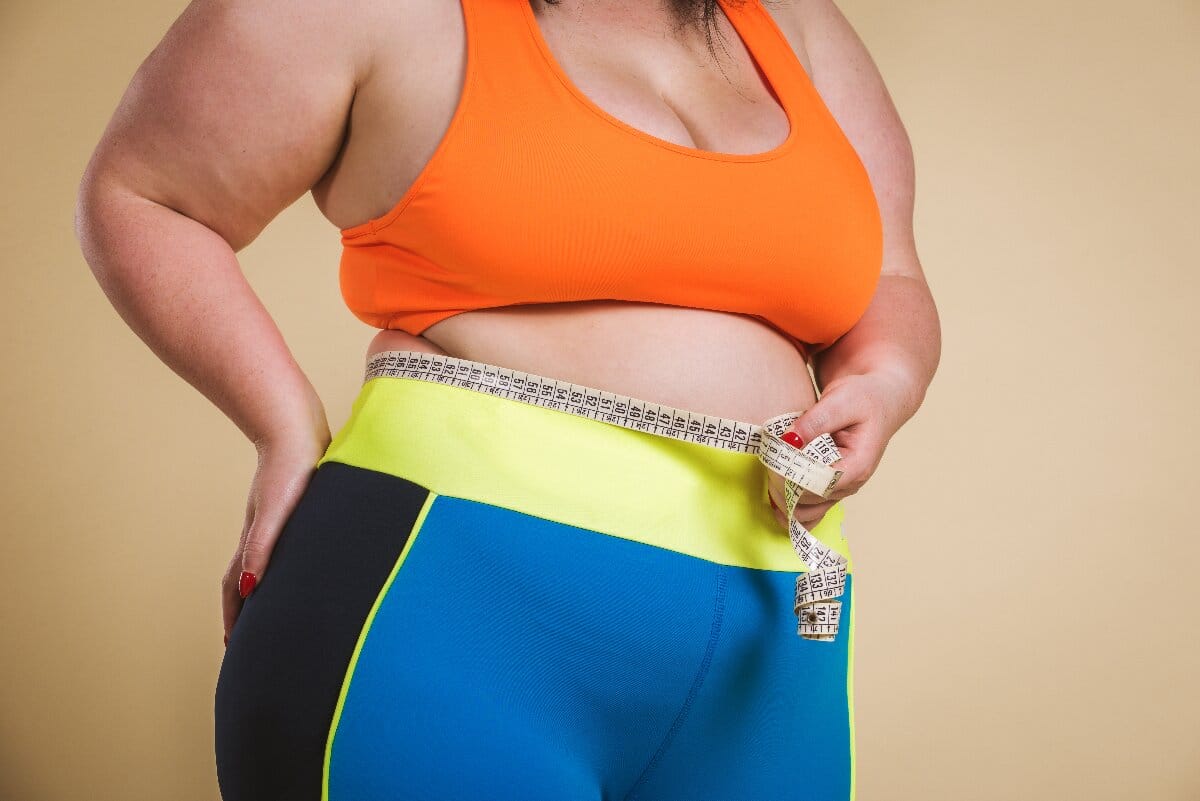
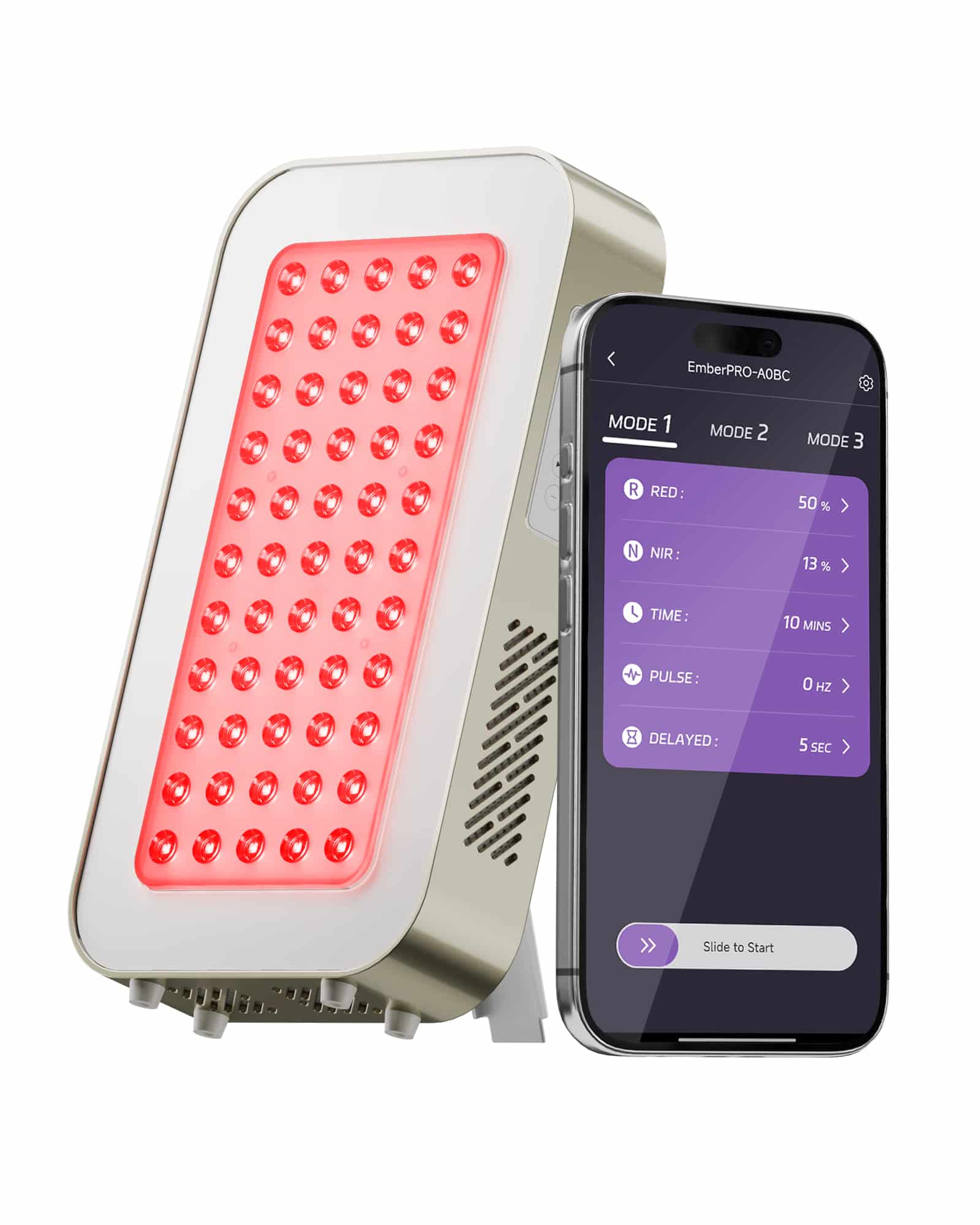
Red light therapy has been widely used in recent years, such as for skincare, pain relief, and what we are going to talk about today, weight loss. In contrast to liposuction, red light therapy is non-invasive and seems to be pain-free. Does it really work for fat removal? Here’s our takeaway:
Red light therapy may support fat reduction and body contouring by stimulating mitochondrial function and potentially affecting fat cells. You can think of it as a non-invasive add-on to nutrition and exercise, not a replacement.
How Does Red Light Therapy Work for Weight Loss
Red light therapy(photobiomodulation or low-level light/laser therapy, LLLT) is best understood as a body-contouring and metabolism-support tool, not a calorie burner. It supports weight management through a few proposed pathways, some backed by human trials, others still under active research. Here’s how it works for weight loss.
Prime Fat Cells to Release Stored Contents
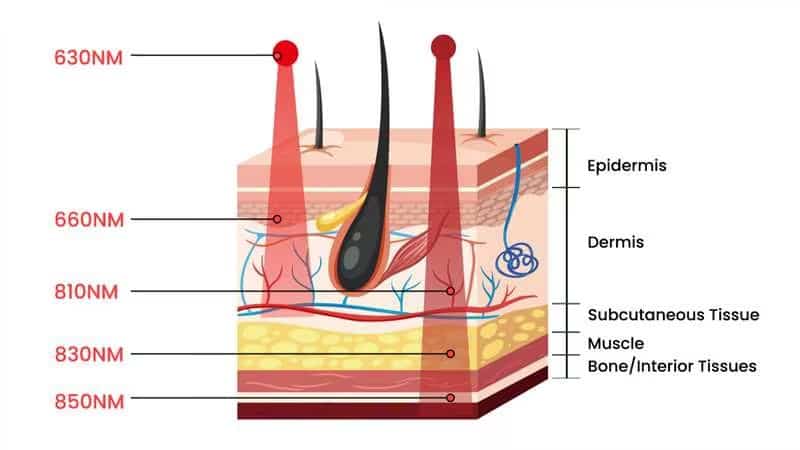
One leading explanation is that red and near-infrared light can penetrate superficial tissue and trigger changes in adipocytes (fat cells) that encourage them to release stored lipids, say, fatty acids and glycerol[1][2]. This is often described as lipolysis-like behavior: the fat is made more available, then your body must use or clear it through normal metabolic or lymphatic processes.
Stimulate Mitochondria and Cellular Energy Production
Red and near-infrared light is believed to act on mitochondria, especially via light-sensitive components like cytochrome c oxidase (CCO)[3][4]. The theory is that light exposure can improve mitochondrial function and increase ATP (cellular energy), while also modulating oxidative stress and inflammation signaling.
How Long Does It Take to Lose Fat with Red Light Therapy
Most people who respond to red light therapy see changes on a week-to-week timeline. And the most consistent outcome reported in red light therapy for fat removal studies is circumference reduction, such as inch loss, rather than dramatic scale-weight loss.
Typical timeline you can expect includes:
1–2 weeks: Some people notice early changes like reduced puffiness, improved recovery, or slightly tighter-feeling areas, but measurable fat reduction is usually subtle this early.
3–6 weeks: This is the window where many controlled protocols report measurable reductions in waist, hip, or thigh measurements, assuming consistent sessions.
6–12+ weeks: Results tend to be more noticeable and easier to maintain when therapy is paired with nutrition and training habits.
How Often to Use Red Light Therapy for Weight Loss
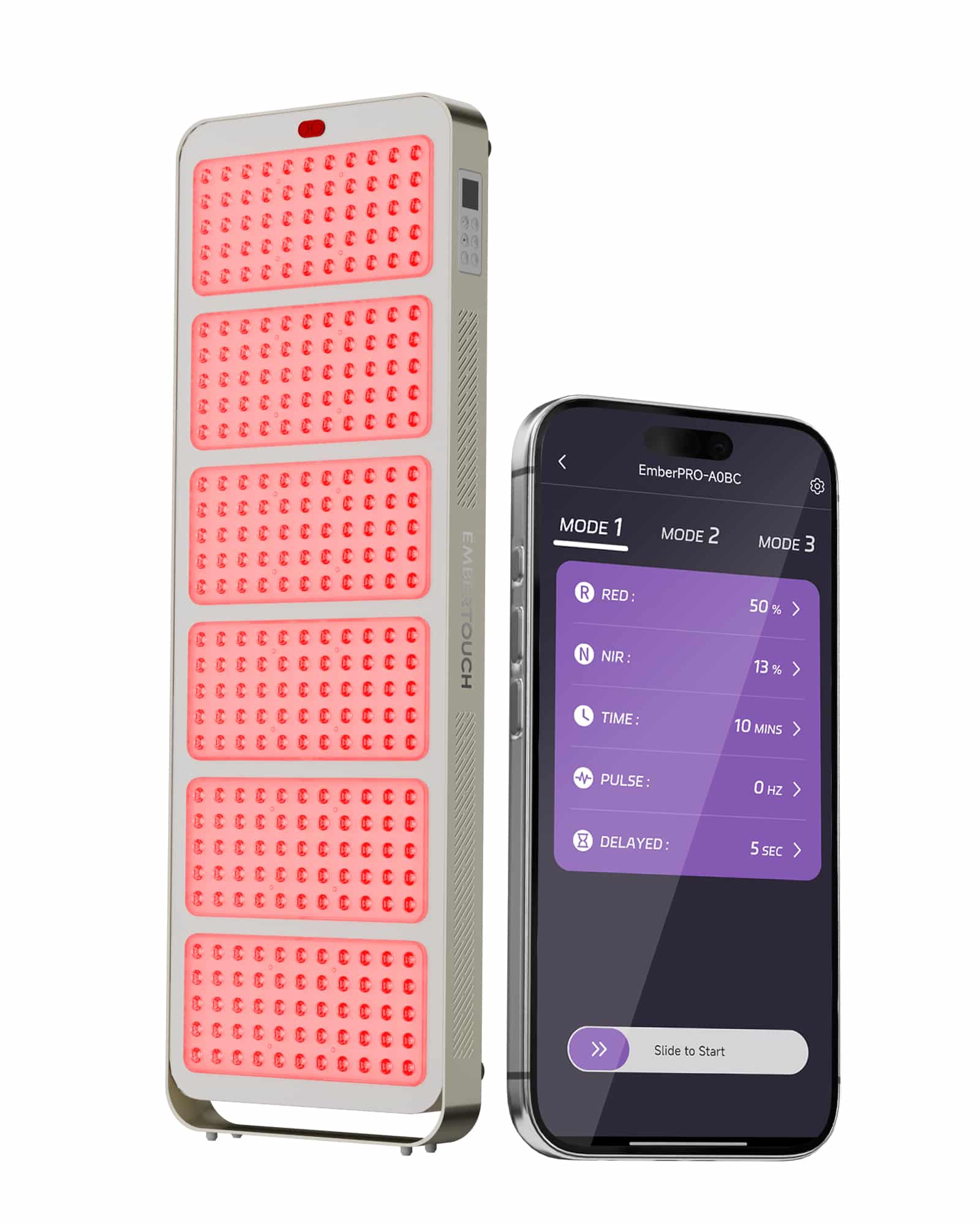
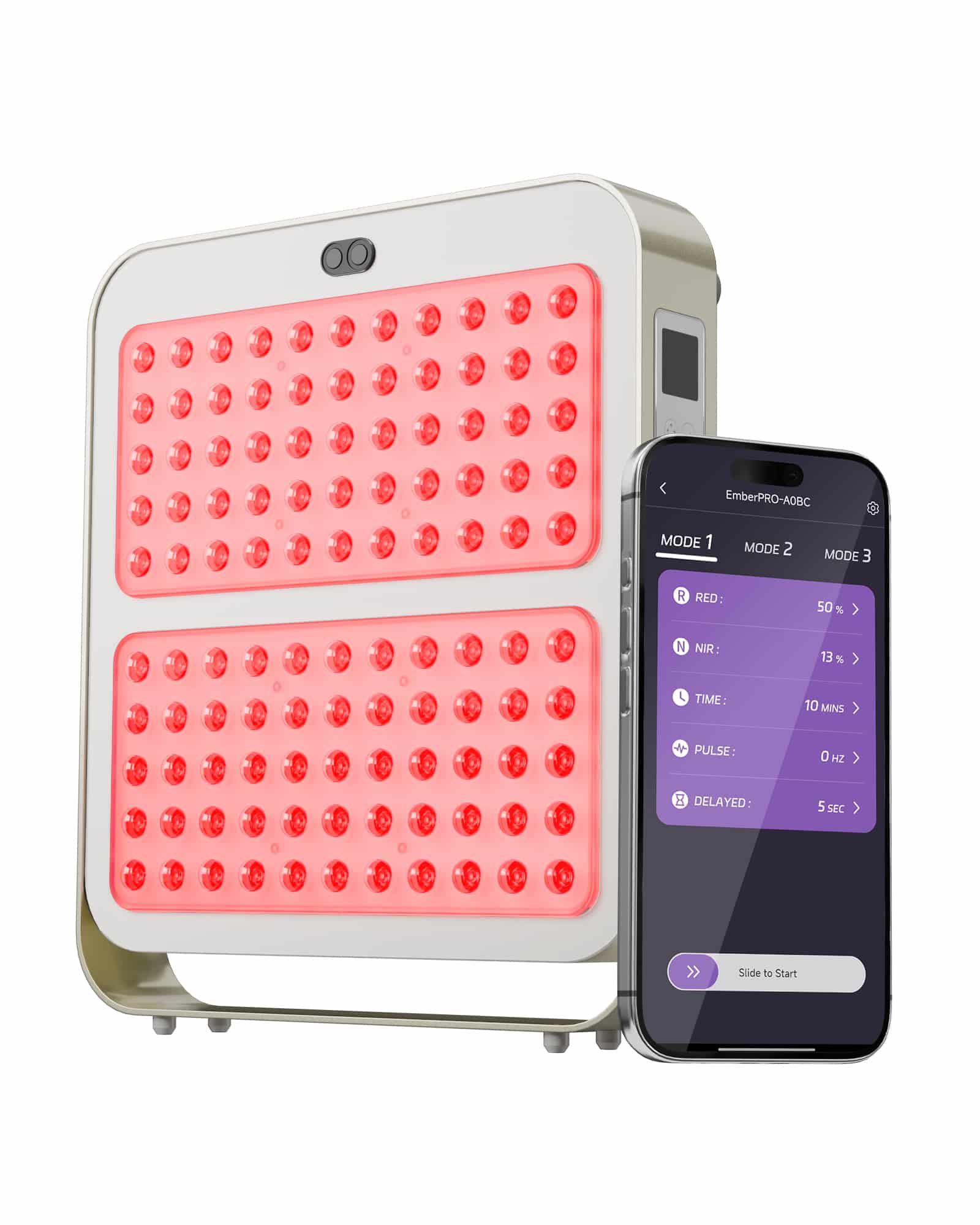
For red light therapy at home, here are some general schedules you can follow:
3–5 sessions per week
10–20 minutes per area
for at least 4–8 weeks before judging results
This aligns with practitioner guidance that treats red light therapy as a repeatable lifestyle tool often paired with training, rather than a one-off treatment.
Verdict
To summarize, red light therapy can help with fat loss goals, but mainly as body contouring support, not true weight-loss on the scale. The best-supported outcome is modest circumference reduction over several weeks, especially when sessions are consistent, and the protocol is similar to those used in clinical LLLT studies.
References
[1] Nestor MS, Newburger J, Zarraga MB. Body contouring using 635-nm low-level laser therapy. Semin Cutan Med Surg. 2013 Mar;32(1):35-40. PMID: 24049928.
[2] Caruso-Davis MK, Guillot TS, Podichetty VK, Mashtalir N, Dhurandhar NV, Dubuisson O, Yu Y, Greenway FL. Efficacy of low-level laser therapy for body contouring and spot fat reduction. Obes Surg. 2011 Jun;21(6):722-9. doi: 10.1007/s11695-010-0126-y. PMID: 20393809; PMCID: PMC5225499.
[3] Cardoso FDS, Barrett DW, Wade Z, Gomes da Silva S, Gonzalez-Lima F. Photobiomodulation of Cytochrome c Oxidase by Chronic Transcranial Laser in Young and Aged Brains. Front Neurosci. 2022 Mar 18;16:818005. doi: 10.3389/fnins.2022.818005. PMID: 35368252; PMCID: PMC8971717.