


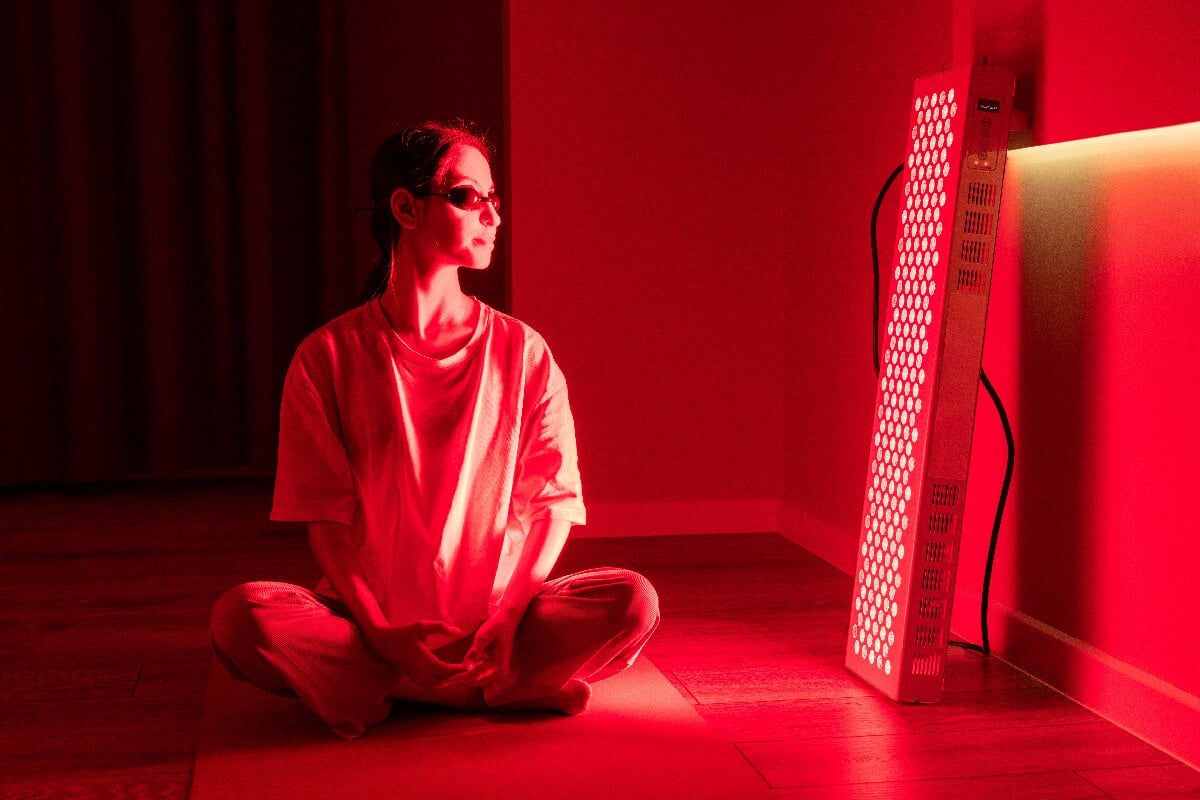

Is Red Light Good for Sleep? Exploring the Benefits
Sleep can feel like a luxury to some of us, as we struggle with getting a good night’s rest due to factors like stress, electronics addiction, and the constant hustle and bustle of life. However, some people are discovering that red light therapy may be the secret to improving their sleep quality. But does red light help you sleep for real? That’ll be our focus today.
What Is Red Light for Sleep
When we talk about red light in the context of improving sleep, it’s not about some simple red-tinted light bulbs but a specific form of light therapy known as red light therapy(RLT). Red light therapy typically uses light in the 600-650 nanometer range for red light, and 800-850 nanometers for NIR light.
One of the primary effects of red light therapy is its ability to stimulate the mitochondria in cells to produce more adenosine triphosphate (ATP), which is the main source of energy for cells. This increase in ATP helps with cell repair and regeneration, supporting overall body health.
Thanks to this capability, red light therapy is used in a wide range of scenarios, such as skin rejuvenation, wound healing, pain relief, etc. How about red light therapy for sleep? Let’s check what the scientists say.
How Does Red Light Affect Sleep
Melatonin Production
Red light therapy has garnered attention for its potential to enhance sleep, primarily because it seems to stimulate melatonin production. Melatonin is a hormone naturally produced by the brain that helps regulate sleep-wake cycles. Typically, as darkness falls, your brain increases melatonin production to signal that it’s time for rest.
Studies have shown that exposure to red light in the evening can help your brain relax, making it easier to fall asleep without the stimulating effects of blue light.
For example, a 2012 study with female athletes found that 30 minutes of red light therapy every night for 14 days improved sleep quality, melatonin levels, and endurance performance[1]. Additionally, a 2019 study on office workers found that red and ambient white light in the afternoon helped regulate circadian rhythms, improving alertness during the post-lunch dip[2].
Insomnia Disorder
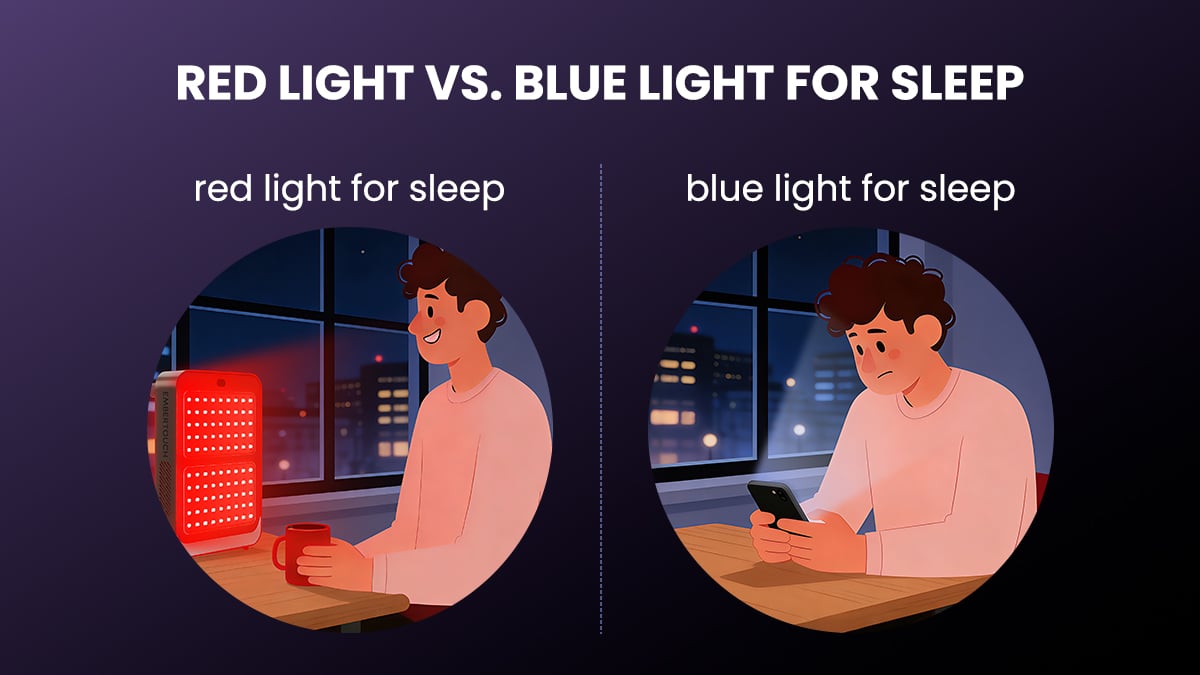
Red light therapy can also be particularly beneficial for those with sleep disorders like insomnia. How? It helps calm the nervous system and reduce anxiety, which is crucial for those who struggle to fall asleep due to stress. Some studies have found that insomnia patients who used red light therapy before bed experienced better sleep quality, including falling asleep faster and waking up less during the night[3].
Delayed Sleep Phase Disorder
Additionally, red light exposure can assist those with delayed sleep phase disorder by helping to reset the body’s internal clock. By using red light therapy in the evening, these individuals may find it easier to fall asleep at a more typical time.
However, early results suggest that red light therapy could be an effective and natural tool for improving sleep quality.
How to Use Red Light for Better Sleep
All the results suggest that red light therapy could be an effective and natural tool for improving sleep quality. To reap the benefits of red light for sleep, here are some tips if you happen to have a red light device at home:
- Use Red Light Before Bed: Incorporate red light into your bedtime routine by using a red light therapy device in your bedroom at least 30 minutes before you plan to go to sleep.
- How often should you use red light therapy for sleep? The recommended frequency is three times a week. However, if you prefer to have consistent red light therapy, you can also use it every day for 14 days.
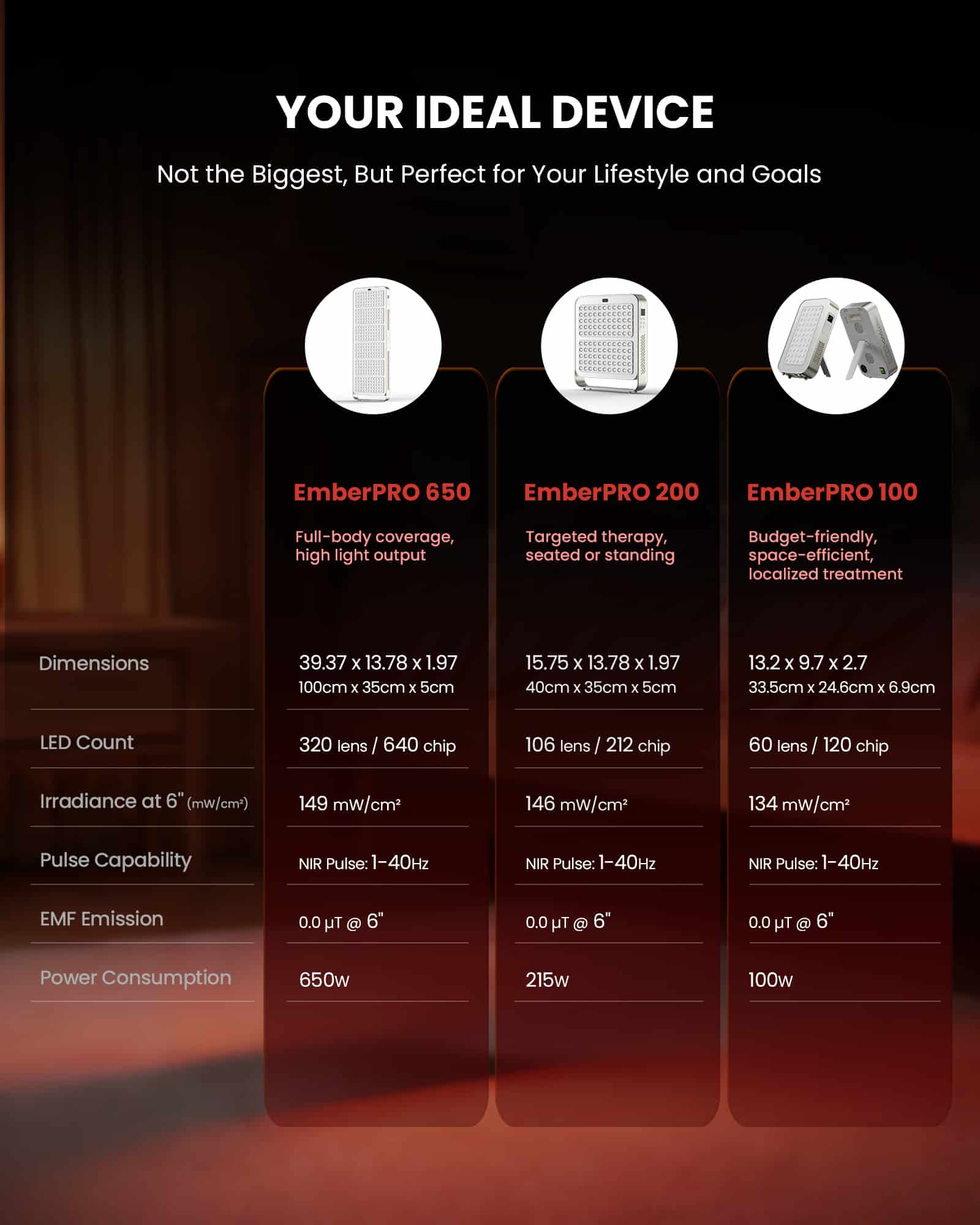
- Ensure the irradiance of your red light therapy device is between 150 and 200 mW/m². If the light is too bright, it may still interfere with your sleep, so medium-level irradiance is what we recommend. At EmberTouch, you can see irradiance details of every red light therapy panel.
What Color Light Is Best for Sleep
Different wavelengths of light influence your circadian rhythm and melatonin production. In addition to the star of today, which is red light, what other light can help you sleep better?
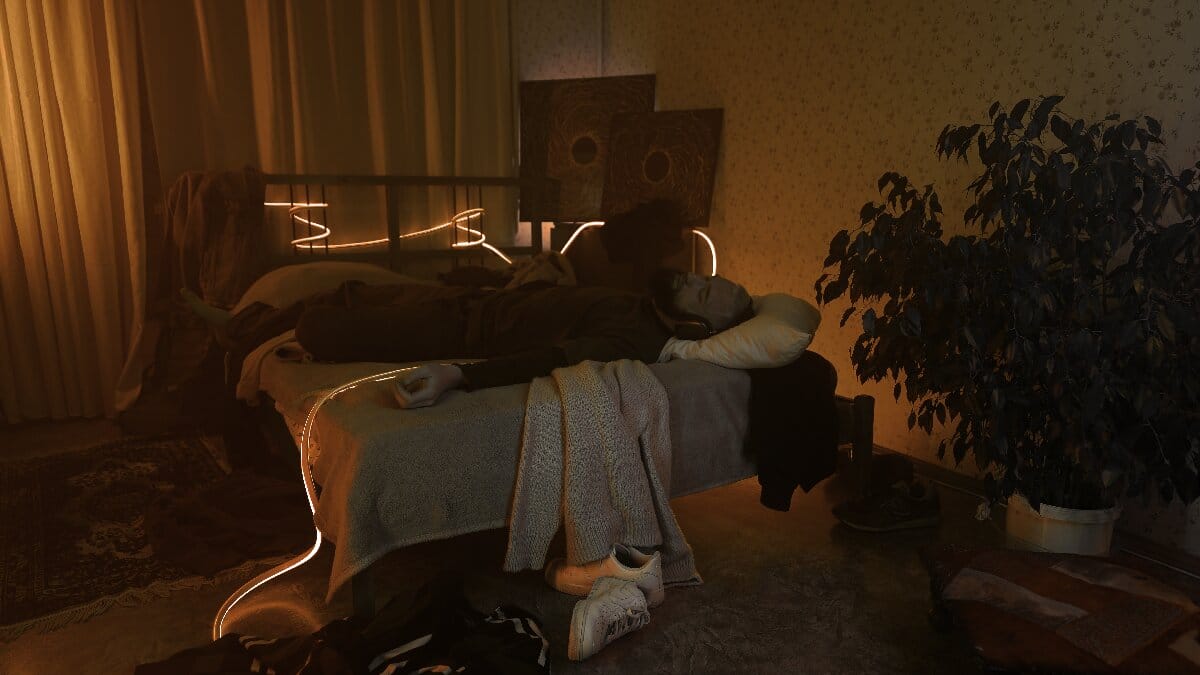
Amber or orange light. These colors, which are warmer and less intense, also have a minimal impact on melatonin and can create a calming environment. While not as effective as red light in supporting melatonin production, amber and orange light can still help signal to your brain that it’s time to wind down.
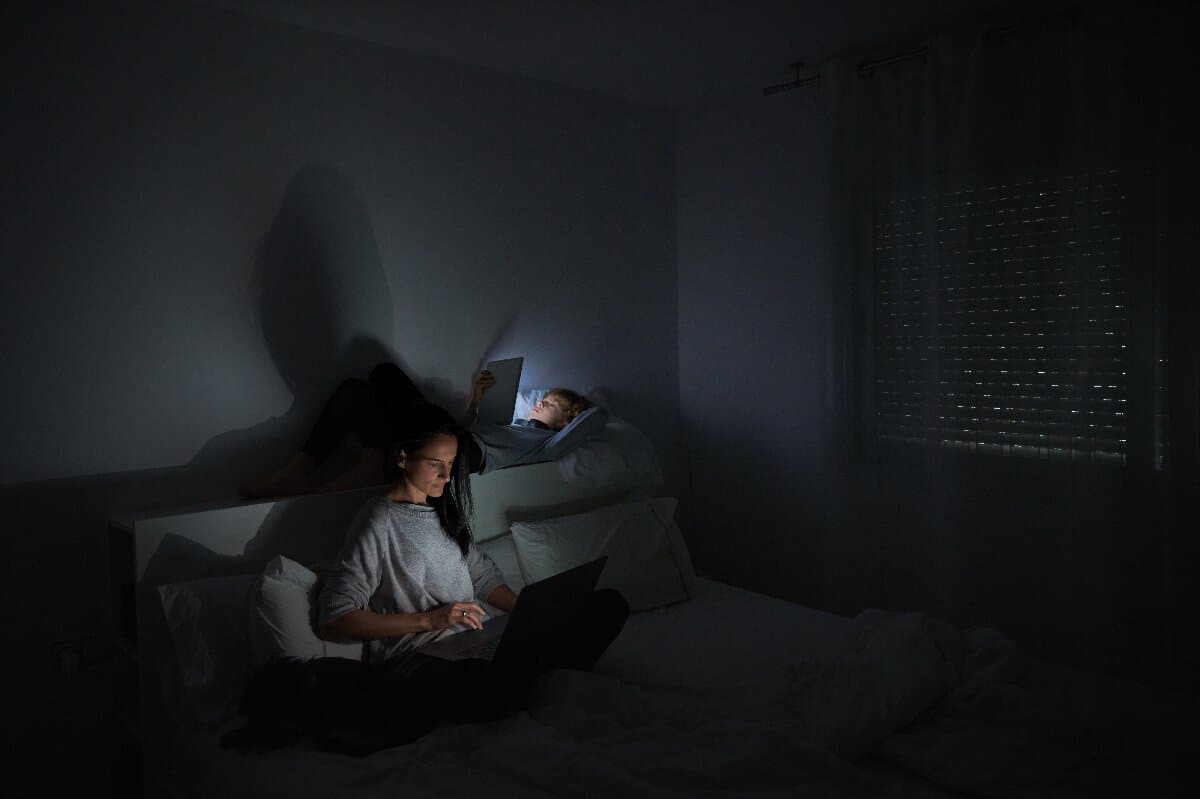
On the other hand, blue light, emitted by phones, computers, and other electronic devices, has the opposite effect. It is well-known to suppress melatonin production, tricking your brain into thinking it’s still daytime and making it harder to fall asleep. So blue light might be a good choice during the day, but at night? Try avoiding it!
Verdict: Red Light Does Help You Sleep
If you’re struggling with sleep issues, red light could be a simple and effective solution. Its ability to enhance melatonin production, promote relaxation, and improve sleep quality makes it a powerful tool in your quest for better rest. By incorporating red light therapy into your nighttime routine, you may find that you fall asleep faster, sleep more soundly, and wake up feeling refreshed.
References
[1] Journal of Athletic Training, 2012. “Effects of red light therapy on sleep quality, melatonin levels, and performance in female athletes.”
[2] Chronobiology International, 2019. “Red light and ambient white light: A study on circadian rhythm and alertness in office workers.”
[3] Sleep Medicine Reviews, 2017. “Effects of red light therapy on insomnia and sleep quality: A comprehensive review.”