



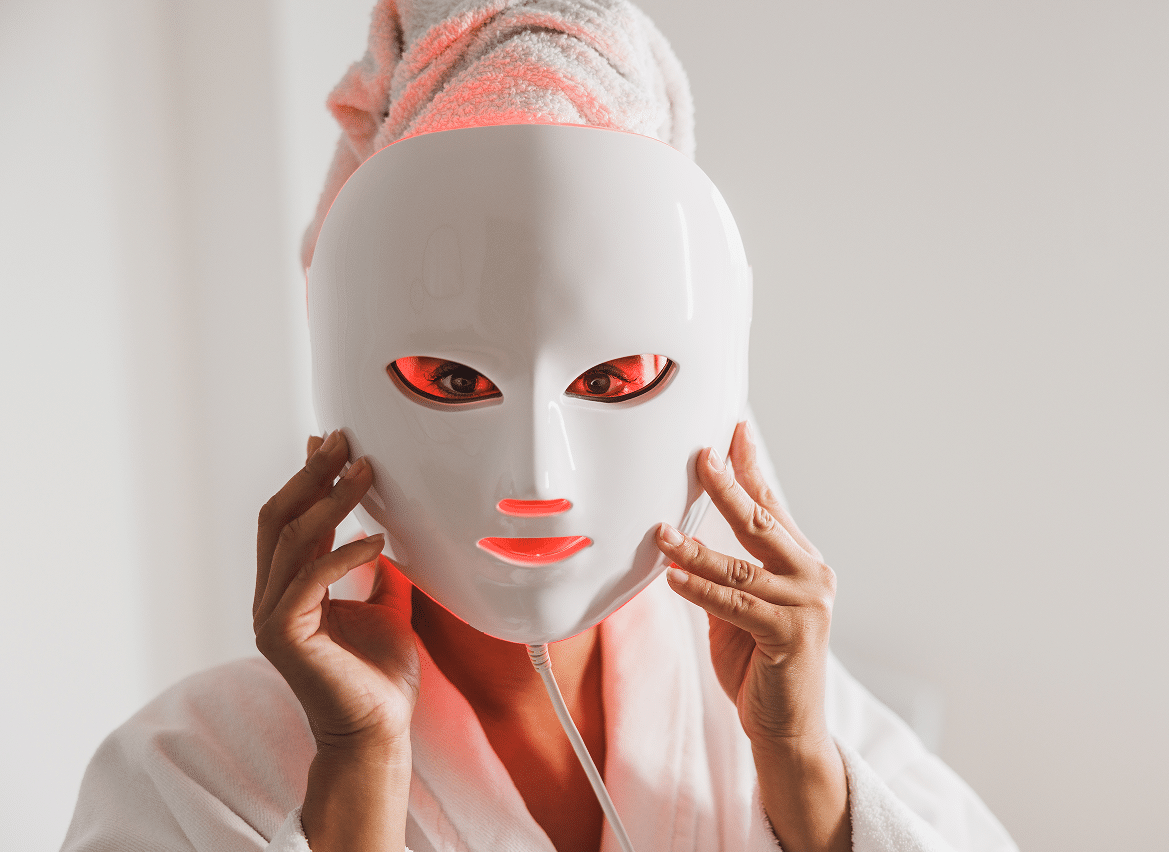
Red light therapy (RLT) is everywhere. From skincare masks to full-body recovery panels, red light therapy appears to suit every need. Whether you are receiving red light treatment at a clinic or having a session at home, a very reasonable question pops up: Can red light therapy hurt your eyes?
In most cases, red light face masks and other red light beauty devices are considered safe for the eyes when used correctly. Problems usually happen when people stare into red LEDs for too long or overdo exposure time.
Let’s walk through what science and eye-care professionals say, what eye risk actually means here, and how to use red light devices safely at home.
Is Red Light Bad for Your Eyes
Red light therapy, also called photobiomodulation (PBM), uses red and near-infrared (NIR) wavelengths, generally in the 600-850 nm range, to influence cellular energy and inflammation.
Visible Red Light (about 625–750 nm)
This is the part of the spectrum you can see, so it looks bright, especially in LED panels. Visible red light tends to interact more with surface and mid-depth tissues, which is why it’s widely used in skincare and superficial inflammation support.
Does it hurt your eye? No, visible red light is not UV and not ionizing, so under normal therapeutic doses, it’s unlikely to cause structural eye damage. Because it is visually intense, direct staring can still cause temporary discomfort, but the risk here is more about brightness and exposure time than about red light itself being inherently toxic.
Near-Infrared Light (about 750–850 nm)
Generally, the near-infrared implemented in red light devices on the market often falls into the range of 750-850nm. It penetrates deeper into tissue, so it’s often included for muscle recovery, joint support, and deeper inflammation modulation[1].
NIR is also non-UV and is used clinically in controlled PBM eye protocols, but because it reaches deeper structures and is invisible, prolonged close-range exposure to high-irradiance devices may pose a retinal stress risk if misused.
So, is red light therapy harmful to your eyes? Both the red and near-infrared light used in RLT are safe in correct PBM dosing[2], yet more caution is required at home because you can’t feel/see how strong the NIR is.
How to Use Red Light Devices Safely at Home
Red light therapy can be highly effective, but it’s important to use it safely, especially when it comes to protecting your eyes. Follow these guidelines to ensure a safe and effective experience:
1. Wear Protective Eyewear
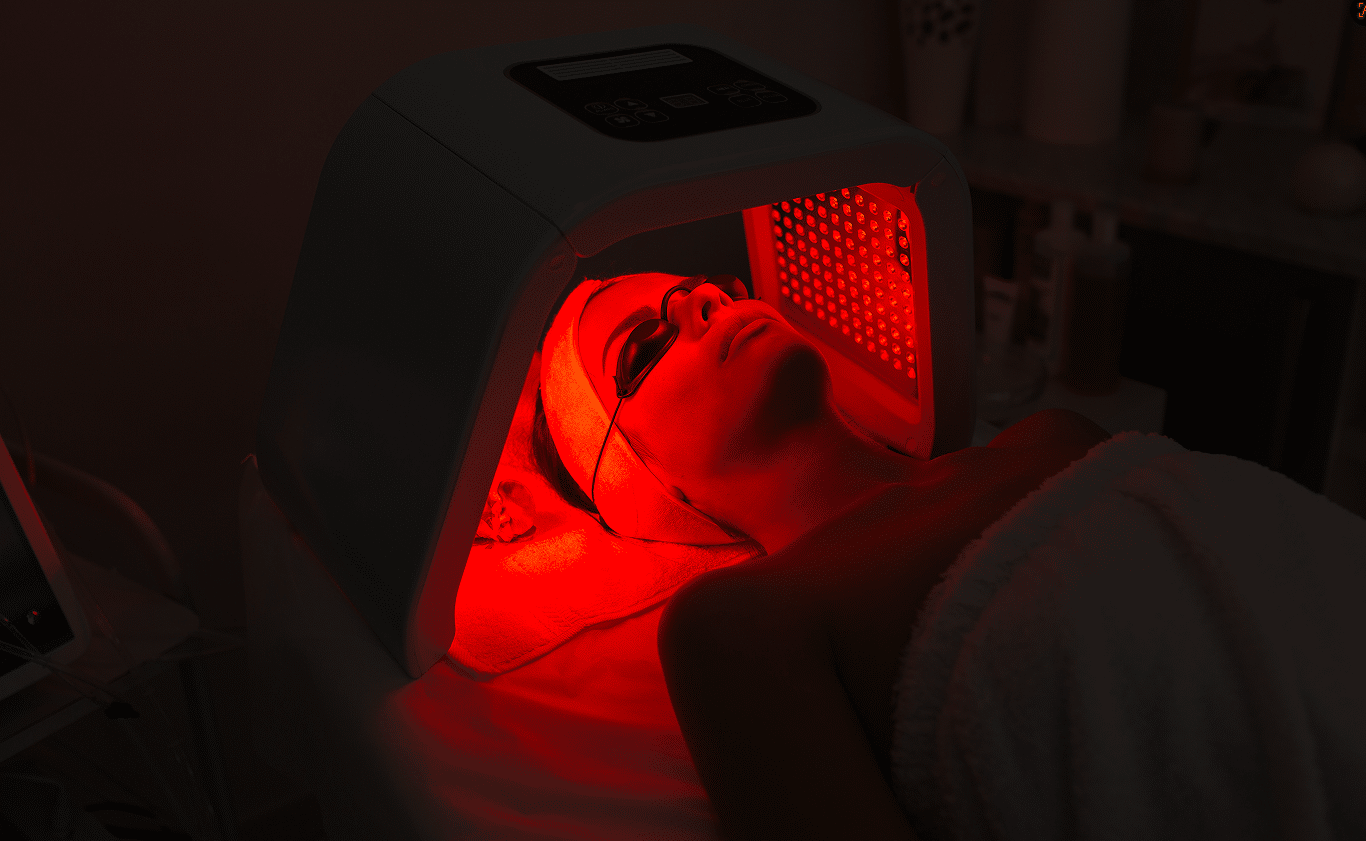
Should I wear eye protection with red light therapy? While not essential, you can always wear protective goggles whenever you feel unsafe with the lights. This helps shield your eyes from intense light exposure, especially when you have sensitive eyes or existing eye conditions.
 2. Follow Manufacturer Instructions
 2.
2. Each device comes with specific guidelines regarding treatment duration, distance, and intensity. Stick to these instructions to avoid overexposure and ensure the device is used safely and effectively.
3. Avoid Direct Eye Exposure
Even if you’re targeting other areas of the body, avoid positioning the device in a way that it shines directly into your eyes. If you don’t have protective eyewear on hand, keeping your eyes shut is an easy, practical way to soften the brightness and cut down on discomfort.
4. Limit Exposure Time
Use the device only for the recommended duration, typically from 5 to 20 minutes. Prolonged use can increase the risk of discomfort or eye strain without offering additional benefits.
5. Choose FDA-Approved Red Light Devices
To ensure a safe and effective experience, it’s highly recommended to use FDA-approved devices like the EmberTouch red light therapy devices. These devices have undergone FDA approval, which helps guarantee their safety and efficacy when used properly.
Red Light Therapy for Eyes: Potential Benefits
Surprisingly, RLT may offer advantages for eye health. Some studies suggest that red light therapy could help manage certain eye conditions by improving cellular functions and providing protective effects against oxidative stress.
Age-Related Macular Degeneration (AMD)
Age-related macular degeneration (AMD) is a leading cause of vision loss in older adults. According to research, red light wavelengths around 670 nm have shown promise in improving the function of retinal cells, offering a potential avenue for treating or managing AMD[3].
Dry Eye Syndrome
Dry eye syndrome, characterized by irritation, dryness, and discomfort, may also benefit from red light therapy. Studies from 2020 demonstrated that patients undergoing red light therapy experienced improved tear quality, leading to more comfortable, hydrated eyes[4].
Retinal Health and Protection
Certain wavelengths of red light (particularly around 620-700 nm) are believed to help protect retinal cells from oxidative stress, a major contributor to retinal degeneration.
Summary
In short, can red light therapy hurt your eyes? It can cause temporary strain or discomfort if overdone, but lasting harm is unlikely when you follow basic safety rules: avoid direct eye exposure, use protection when needed, and stick to the manufacturer’s distance and timing guidance. With those habits in place, you can enjoy the benefits of red light therapy confidently without putting your vision at risk.
Reference
- Maghfour J, Mineroff J, Ozog D, et al. Evidence-based consensus on the clinical application of photobiomodulation. Journal of the American Academy of Dermatology. 2025.
- EyeWiki (American Academy of Ophthalmology). Photobiomodulation in Retina Diseases. Updated 2024.
- Shinhmar H, Grewal M, Sivaprasad S, et al. Optically improved mitochondrial function redeems aged human visual decline (670-nm red light study). J Gerontol A Biol Sci Med Sci. 2020.
- Stonecipher K, Komm C, Potvin R. Low level light therapy as an adjunct treatment for meibomian gland dysfunction. Acta Scientific Ophthalmology. 2020.