



Why Choosing the Right Panel Is Harder Than It Looks
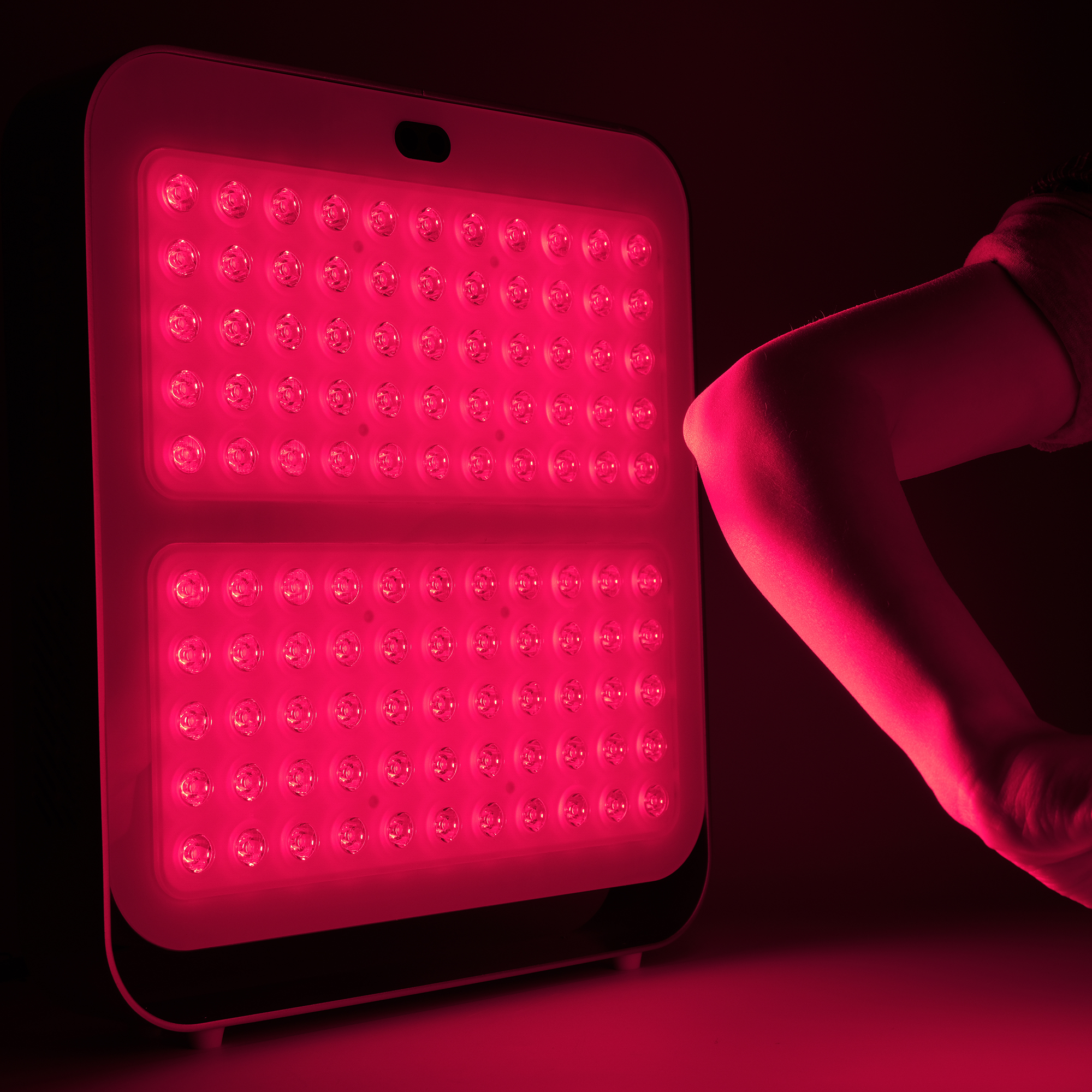
Finding the best red light therapy panel for muscle recovery at home is not as straightforward as it seems. Most buyers already understand what red light therapy does, but struggle with one key decision: which panel actually fits their recovery routine.
The issue is that many guides focus too heavily on specs like wattage or LED count, without explaining how those details translate into real use. What matters more is how the panel fits into your daily habits, how long sessions take, and whether you will use it consistently.
This guide focuses on what actually drives results at home. Instead of overwhelming you with technical details, it breaks down how to choose the right panel based on coverage, convenience, and long-term value so you can make a confident decision.
How People Actually Use Red Light Therapy at Home
Muscle recovery at home usually means dealing with soreness, tightness, or fatigue after training. Whether it comes from weightlifting, running, or general activity, most people are not looking for perfect conditions. They want something practical that fits easily into their routine.
Recovery habits tend to break down when the process becomes inconvenient. Sessions that take too long or setups that require too much effort reduce consistency. A panel may look impressive on paper, but if it does not fit into your routine, it will not be used enough to deliver meaningful results.
At home, convenience becomes the deciding factor. Being able to switch the panel on quickly, target the right area, and complete a session without disruption is what makes regular use possible.
For this reason, choosing the right panel is not about chasing the highest specs. It is about understanding how you plan to use it and selecting a setup that you can realistically stick with.
What Actually Matters When Choosing a Panel
When choosing the best red light therapy panel for muscle recovery at home, specs only matter if they support how you plan to use the panel day to day. The better approach is to focus on practical factors that affect both usability and results.
How Much Coverage You Actually Need
Coverage is one of the most important factors. Smaller panels are designed for targeted use, meaning you treat one area at a time, such as a shoulder, knee, or lower back. This works, but increases total session time if you need to cover multiple muscle groups.
Larger panels allow you to treat more of the body at once. This reduces repositioning and makes sessions more efficient. In simple terms, better coverage usually means shorter, more manageable sessions.
How Long Sessions Actually Take
Session length directly affects whether you stick to a routine. Even if a panel performs well, long or inconvenient sessions make it harder to maintain consistency.
Most people prefer a setup where they can start quickly, treat the area without constant adjustments, and finish without interrupting their day. If the process feels slow or complicated, it becomes easy to skip sessions.
Why Ease of Use Matters More Than You Think
Ease of use plays a bigger role than many buyers expect. Simple setups that require minimal adjustment tend to get used more often. This includes how easy the panel is to position, whether it needs mounting, and how quickly you can start a session.
A slightly less powerful panel used regularly will deliver better results than a more advanced system that is rarely used.
What to Expect After Your Purchase
Red light therapy panels are a long-term purchase, so reliability and support matter. Buyers should look beyond the product itself and consider the overall ownership experience.
This includes warranty coverage, return policies, and brand reputation. Strong support reduces risk and gives confidence that the product will last.
Compact vs Large Panels: Which One Makes More Sense?
One of the biggest decisions when choosing a red light therapy panel is size. The right choice depends less on specs and more on how often you train, how many areas you need to treat, and how much time you want to spend per session.
When a Smaller Panel Is Enough
Compact panels are best suited for targeted recovery. If you are dealing with specific areas like shoulders, knees, or lower back, a smaller panel can be effective.
They are easier to position, take up less space, and cost less. The downside is that treating multiple areas takes more time.
When a Larger Panel Makes More Sense
Larger panels are designed for broader coverage. You can treat multiple muscle groups in one session, reducing the need to reposition the device.
This is especially useful if you train regularly or experience soreness across larger areas like your back or legs. Sessions become faster and easier to maintain.
The Real Trade-Off
The decision comes down to time, coverage, and consistency.
Smaller panels are more affordable but require more effort to cover the whole body. Larger panels cost more but make sessions faster and easier to maintain.
If you train frequently, a larger panel is usually the more practical long-term choice. If your needs are occasional and focused, a compact panel can still work well.
Choosing the Right EmberTouch Panel for Your Routine
Once you understand how coverage and session time affect recovery, the next step is choosing a panel that matches your routine.
Instead of focusing on specs, it is easier to look at each model based on how it is typically used.
EmberPRO 100: Best for Targeted Recovery
The EmberPRO 100 is suited for targeted recovery and first-time users. It works well for specific areas such as shoulders, knees, or lower back.
It is compact, easy to position, and a practical starting point. The trade-off is longer sessions if you need to treat multiple areas.
EmberPRO 200: The Most Balanced Option
The EmberPRO 200 offers a balance between coverage and usability. It allows you to treat larger areas with fewer adjustments while remaining manageable in size.
This makes it a good option for regular users who want more efficiency without moving to a full-size panel.
EmberPRO 650: Best for Full-Body Recovery
The EmberPRO 650 is designed for broader coverage and more efficient sessions. It is suited for frequent training and full-body recovery.
With a larger treatment area, you can cover multiple muscle groups at once, reducing session time and effort.
Still Not Sure? Start with Coverage
If you’re unsure which size to choose, focus on how much of your body you want to treat in one session. That decision alone will quickly narrow down the right panel. Comparing the EmberTouch models side by side then makes the choice clear.
Final Verdict: What Actually Matters Most
Choosing the best red light therapy panel comes down to a few practical factors. Consistency is the most important, as a panel that fits easily into your routine and gets used regularly will always deliver better results than one that looks more powerful but rarely gets used.
Coverage also plays a key role in efficiency, with larger panels reducing session time and making it easier to treat multiple areas at once. In the end, convenience ties everything together, because the easier the panel is to use, the more likely you are to stick with it.
Frequently Asked Questions About Red Light Therapy Panels
1. What should I look for in a red light therapy panel for muscle recovery?
Focus on coverage, ease of use, and how well the panel fits into your routine. A setup that is simple and convenient will be used more consistently, which leads to better results over time.
2. Is a small panel enough for muscle recovery?
A small panel can be enough for targeted recovery, such as treating a shoulder or knee. However, if you need to cover multiple muscle groups regularly, it can become time-consuming and less practical.
3. Should I use red light therapy before or after workouts?
Red light therapy is most commonly used after workouts to support recovery. Some people also use it before training as part of a warm-up routine, but consistency matters more than exact timing.
4. Do I need full-body coverage for effective recovery?
Full-body coverage is not required, but it can make recovery more efficient. Larger panels allow you to treat more areas at once, which reduces session time and makes it easier to stay consistent.
5. How do I choose the right panel size for home use?
The right size depends on your space, how often you train, and how many muscle groups you need to treat. If you train frequently, a larger panel is usually more practical. For occasional or targeted use, a smaller panel can be enough.
https://ember-touch.com/products/
https://ember-touch.com/product/emberpro-100-red-light-therapy/
https://ember-touch.com/product/emberpro-200-red-light-therapy/
https://ember-touch.com/product/emberpro-650-red-light-therapy/
https://ember-touch.com/about-us/
https://ember-touch.com/contact-us/
https://ember-touch.com/blog/