


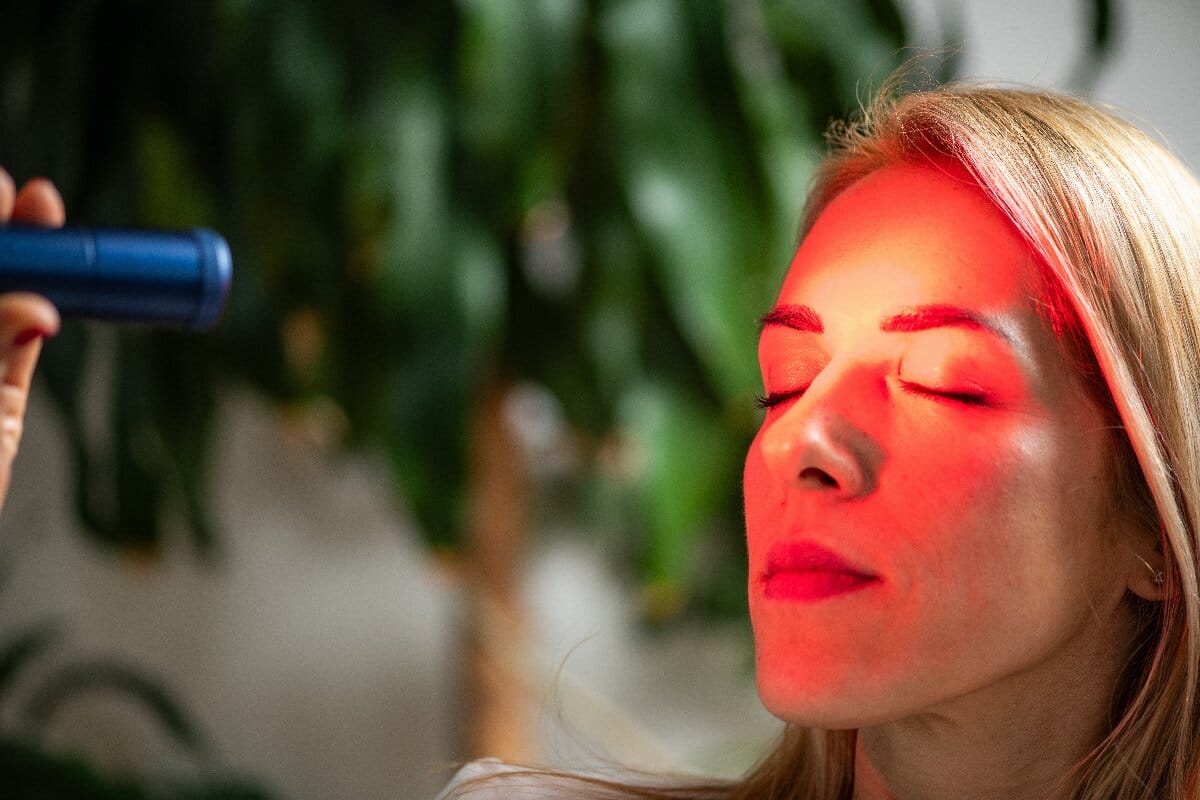

Red Light Therapy: Recommended Frequency Chart
Red light therapy (RLT) can be applied in a wide range of scenarios, say, skincare, pain relief, and overall wellness improvement. As a non-invasive and natural treatment, it uses low-wavelength red light (600-650 nm for red light and 800-850 nm for near-infrared light) to stimulate the body’s healing processes. If you are ready to start a red light session at home, how often should you do red light therapy to achieve the best results?
In this article, we’ll explore the ideal frequency for red light therapy sessions in multiple usage cases, including:
- Acne
- Pain relief
- Wound healing
- Hair growth
And so much more!
Factors That Determine How Often to Do Red Light Therapy
Multiple factors decide the frequency with which you should use red light therapy. If you can sort out which factor matters most to you, you can better tailor the session to your needs and ensure optimal results. Here are some key considerations:
Type of Device
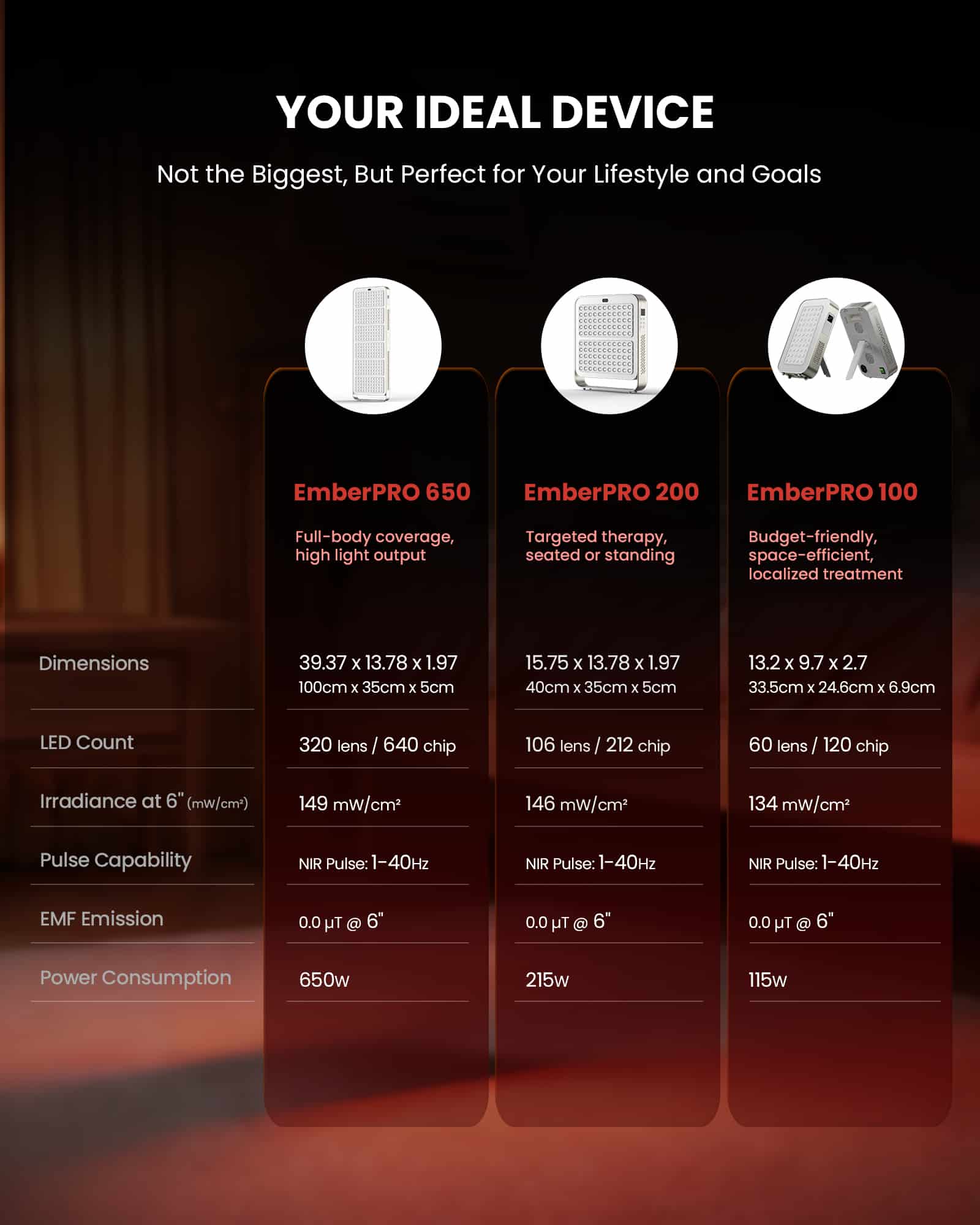
The power output of the red light therapy device can vary, affecting the intensity and dosage during each session. Just like what’s on your mind, devices with higher output typically require fewer sessions, while lower-powered devices may need more frequent use for the best result.
Plus, always check the device’s irradiance levels (measured in mW/cm²), which determine how much light energy is delivered to the tissue. At EmberTouch, you can find related information on every red light therapy panel.
Your Health Goals
What’s your target when having a red light therapy treatment? Whether you’re targeting skin rejuvenation, pain relief, or muscle recovery, each goal requires a different approach. For instance, those seeking to improve skin texture may need less intense light than those seeking to heal deeper tissues such as muscles or joints.
Age and Health
Age and overall health also matter. Younger, healthier individuals may tolerate more frequent sessions, as their cells regenerate and heal faster. On the other hand, older adults or those with chronic health conditions might need to start with fewer sessions per week.
Skin Sensitivity
If you have sensitive skin, it’s advisable to start with shorter sessions and gradually increase the duration and frequency over time. Excessive exposure can cause redness or irritation in individuals with particularly sensitive skin.
Doctor’s Advice
Lastly, always consider consulting with a healthcare professional, particularly if you’re using red light therapy for specific health conditions.
Frequency Chart of Red Light Therapy: How Often Should You Use It
Adjusting the number of sessions and the length of time based on the therapeutic goals, the severity of the condition, and your body’s response to the treatment can certainly help you better achieve the optimal result.
To make it easier, we’ve compiled a frequency chart to guide you on how often to use red light therapy for various conditions:
Red light therapy works by stimulating cellular processes to enhance healing and regeneration. However, too much stimulation can lead to what is known as overstimulation of the cells, preventing them from going through their natural recovery cycle.
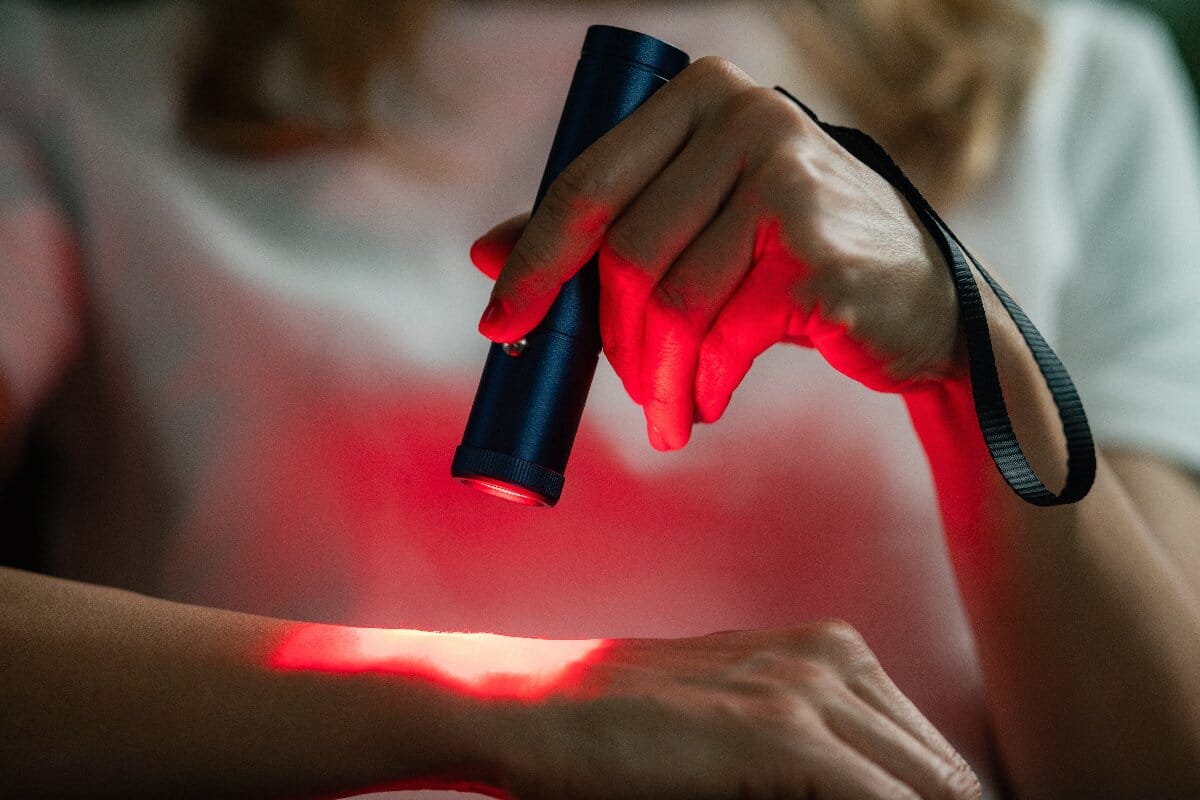
Overstimulation at the cellular level often involves an excess of Reactive Oxygen Species (ROS), which are highly reactive molecules produced during the therapy. While a small amount of ROS can help stimulate beneficial processes like collagen production and tissue repair, too much ROS can lead to oxidative stress, damaging cells and tissues.
What’s more, as mentioned in the Biphasic Dosing Theory [1] (often referred to in low-level light therapy), low doses of light can stimulate biological processes, while higher doses can inhibit them. This means that while some light exposure helps, too much could reverse the benefits.
To wrap it up, overdoing red light therapy won’t put your life at risk, but we don’t encourage you to do so. Just like with any therapy, balance is key.
Conclusion
So, how often should you do red light therapy? The answer depends on your goals, but generally, starting with 3-5 sessions per week is a good guideline for most conditions. Over time, you can adjust the frequency based on how your body responds.
Ready to start your red light therapy journey? Explore EmberTouch red light therapy devices designed for home use and take the first step toward improved health today!
Reference
[1]Huang, Y.-Y., Sharma, S. K., Carroll, J., & Hamblin, M. R. (2011). Biphasic dose response in low level light therapy – An update. Dose-Response, 9(4), 602-618. https://doi.org/10.2203/dose-response.11-009.Hamblin