



What Does Red Light Therapy Do for Skin
Red light therapy (often discussed under photobiomodulation) typically uses red (about 620–700 nm) and sometimes near-infrared wavelengths. In dermatology and aesthetics, it’s widely explored as a gentle, non-invasive option that may support skin recovery and gradual cosmetic improvement.
Based on numerous studies, the most talked-about potential benefits for the face include:
Helps Calm Mild to Moderate Acne
Clinical trials suggest that LED light, especially blue light alone or blue + red combinations, can reduce acne lesion counts in mild-to-moderate acne. For example, randomized studies have reported improvements with blue-only vs. mixed blue/red regimens, indicating that combining wavelengths may be helpful depending on the acne profile and protocol.
Smooths Fine Lines and Early Wrinkles
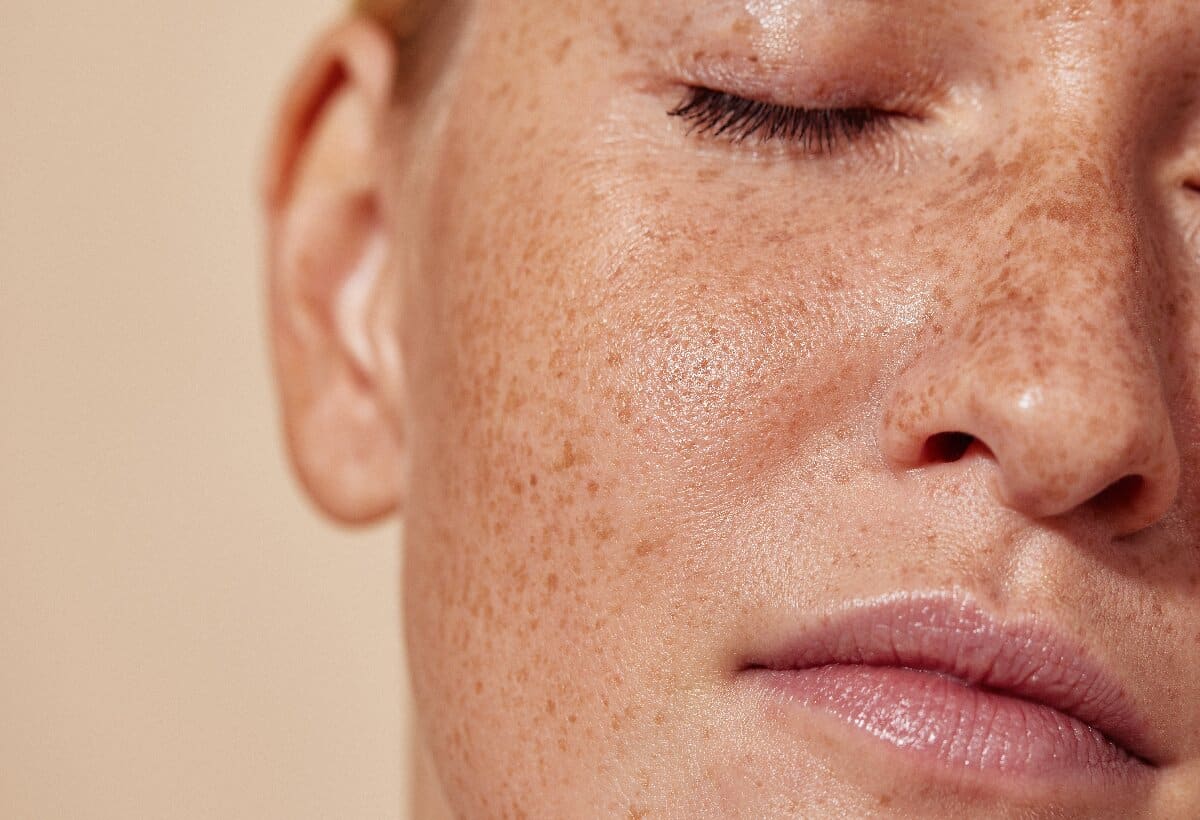
For facial rejuvenation, split-face and controlled clinical studies suggest LED red and near-infrared therapy can lead to measurable improvements in wrinkle appearance and skin texture, typically described as gradual rather than dramatic.
A well-known double-blind split-face trial, objective measurements showed that the treated side experienced a statistically significant reduction in wrinkle severity (with reported improvements reaching up to around one-third) and a measurable increase in skin elasticity (reported up to about one-fifth) compared with baseline and sham treatment.
Reduce Visible Redness & Post-procedure Irritation
Some dermatology settings use light-based treatments after certain procedures because patients may experience less visible redness or swelling during recovery. This is one reason red light is sometimes framed as a soothing option in a broader skincare plan.
Can Red Light Therapy Cause Melanoma
Not likely. Melanoma risk is strongly linked to UV exposure, and red light therapy does not use UV wavelengths. That’s why most safety discussions separate red light therapy from the classic sun/tanning bed to melanoma pathway.
As for other skin cancers, such as basal cell carcinoma (BCC) and squamous cell carcinoma (SCC), there’s no solid evidence that red light therapy causes them. Similarly, these cancers are primarily associated with cumulative UV damage over time, whereas red light therapy uses non-UV, non-ionizing wavelengths and is not known to trigger the same DNA-damaging mechanism.
Red Light Therapy Dangers
While red light therapy does not cause skin cancer, are there other dangers you should be concerned about? Rest assured, most downsides of red light therapy are related to incorrect use, sensitive skin conditions, or treating the wrong area, rather than the light causing disease.
For example, some people experience short-term redness, tightness, dryness, or mild irritation, especially if they use the device too close to the skin or extend usage beyond the recommended sessions.
Also, keeping your eyes open during a red light treatment might cause eye strain, headache, or discomfort, even if the light isn’t UV. Near-infrared is also invisible, so people may underestimate exposure.
Still, it’s worth keeping expectations realistic: research on red light therapy is still developing, and scientists don’t yet have perfect answers about optimal dosing, long-term use, and who may be more sensitive to it. Many studies are small, use different devices and treatment schedules, or are conducted in lab settings (cells) or on animals, which makes it harder to draw a universal conclusion for every person and every at-home red light therapy device.